
LNH31.
Cross-border trade · B2B · Amazon
Operations10·
Choosing Freight Insurance for International Shipments: Coverage Options Guide
Carrier liability for cargo loss or damage is severely limited by law: $500 per package for ocean freight under COGSA and $9.07 per pound for air freight under the Montreal Convention. This guide explains the three main cargo insurance coverage levels (ICC-A All Risk, ICC-B WA, ICC-C FPA), premium rate ranges of 0.3-1.5% for ocean and 0.2-0.8% for air, deductible structures, war and strikes riders, claim filing procedures and deadlines, and recommended insurers for Taiwan exporters including Tokio Marine, Chubb, and AIG.
freight insurance international shippingcargo insurance coverage optionsmarine cargo insurance guide
Why Carrier Liability Is Not Enough
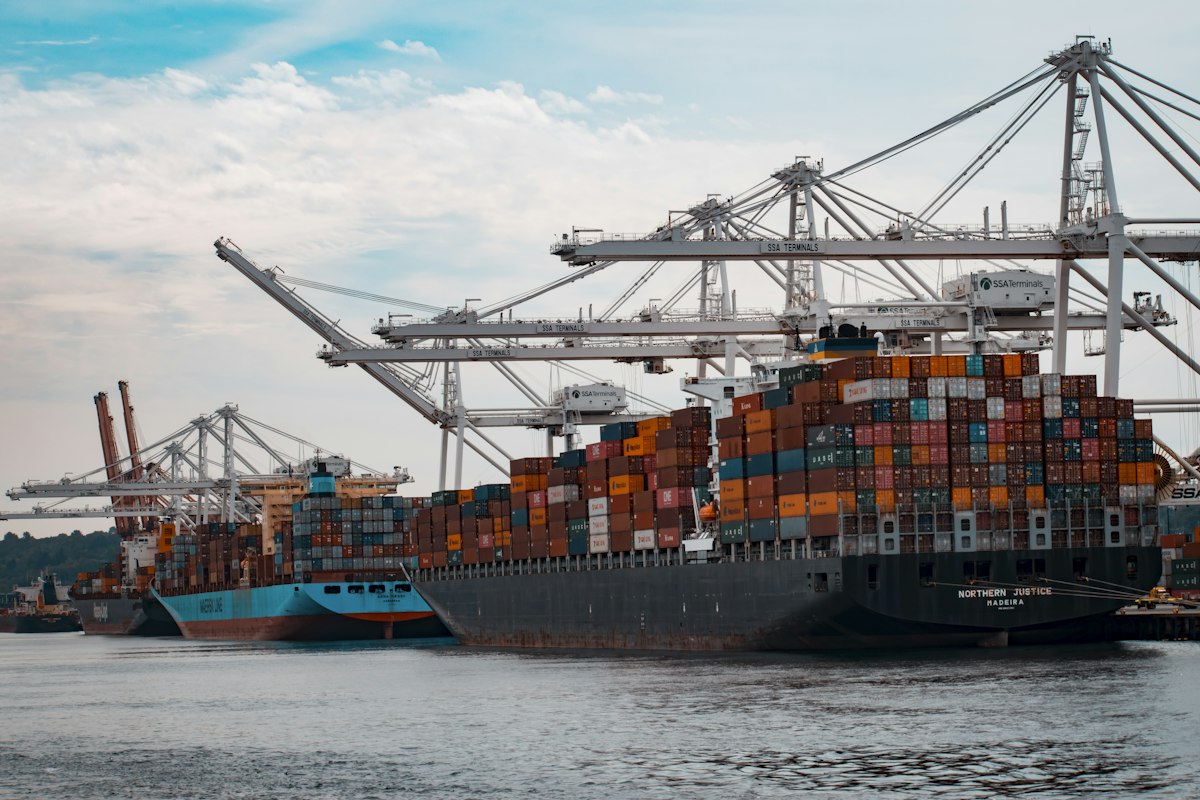
Ocean carriers' liability under the Carriage of Goods by Sea Act (COGSA) is limited to $500 per package or customary freight unit, regardless of the actual value of the goods. A full container load (FCL) of electronics worth $200,000 would receive maximum carrier compensation of $500 if the entire container is considered one "package" in the bill of lading. Some courts interpret individual cartons within a container as separate packages, but this interpretation is inconsistent and litigation-dependent. The carrier can limit liability even further through bill of lading clauses, and numerous exceptions (acts of God, inherent vice, perils of the sea) allow carriers to deny liability entirely.
Air freight carrier liability under the Montreal Convention is limited to 22 Special Drawing Rights (SDR) per kilogram, approximately $9.07 per pound at current exchange rates. A 500kg air shipment of precision components worth $150,000 would receive maximum carrier compensation of approximately $10,000 under Montreal Convention limits. Express carriers like FedEx, UPS, and DHL impose additional liability limitations through their terms of service, often capping declared value coverage at $100 per package unless additional insurance is purchased. Trucking carrier liability within the US under the Carmack Amendment is limited to the actual loss or damage sustained, but carriers routinely limit liability to $0.10-2.00 per pound through tariff filings.
Real-world cargo loss statistics underscore the need for adequate insurance. The World Shipping Council reports an average of 1,629 containers lost at sea annually over the past decade, with catastrophic incidents like the ONE Apus (2020, 1,816 containers lost) and Ever Forward (2022, grounding event) demonstrating that maritime risks remain significant. Cargo theft in the US reached $223 million in reported losses in 2024 according to CargoNet, with electronics, food products, and household goods being the most targeted categories. Temperature excursion during transit damages approximately 5-8% of cold chain shipments annually, with losses often unrecoverable without proper insurance.
The cost of not having adequate cargo insurance extends beyond the lost goods value. Without insurance, the shipper bears the full financial loss, potential production delays from missing components (costing $5,000-50,000 per day in downtime), customer relationship damage, expedited replacement shipping costs (3-5x standard rates), and potential contractual penalties for late delivery. Insurance premiums of 0.3-1.5% of cargo value are a modest investment compared to these potential losses. A $100,000 shipment insured at 0.5% costs just $500 in premium for complete loss protection.
Coverage Types: ICC-A, ICC-B, and ICC-C
Institute Cargo Clauses A (ICC-A), commonly known as "All Risks" coverage, provides the broadest protection for international shipments. ICC-A covers all risks of physical loss or damage except specifically excluded perils (willful misconduct, ordinary leakage, inherent vice, delay, insolvency of carrier, nuclear risks, and cyber risks under the LMA5403 exclusion). This means any loss or damage not explicitly excluded is covered, shifting the burden of proof to the insurer to demonstrate an exclusion applies. Premium rates for ICC-A range from 0.5-1.5% of cargo value for ocean shipments and 0.3-0.8% for air shipments, depending on commodity type, trade route, and claims history.
Institute Cargo Clauses B (ICC-B), formerly called "With Average" (WA) coverage, provides intermediate protection covering named perils including fire, explosion, vessel stranding/grounding/sinking, collision, discharge of cargo at port of distress, earthquake/volcanic eruption/lightning, general average sacrifice, jettison, and sea/lake/river water entering vessel or container. ICC-B also covers washing overboard, total loss of packages lost overboard or dropped during loading/unloading, and entry of water into container or storage. Premium rates for ICC-B are 20-30% lower than ICC-A, ranging from 0.4-1.0% for ocean shipments. ICC-B does not cover theft, pilferage, non-delivery, or damage from rough handling.
Institute Cargo Clauses C (ICC-C), formerly "Free of Particular Average" (FPA), provides the narrowest coverage, protecting only against catastrophic events: fire, explosion, vessel stranding/grounding/sinking/capsizing, overturning or derailment of land conveyance, collision of vessel, discharge of cargo at port of distress, general average sacrifice, and jettison. ICC-C does not cover water damage, theft, breakage, or any loss to individual packages (particular average). Premium rates are the lowest at 0.3-0.7% for ocean shipments. ICC-C is typically chosen only for bulk commodities (grain, ore, crude oil) where partial losses are expected and absorbed as a cost of business.
For Taiwan exporters shipping consumer products, electronics, or food products to the US, Australia, or Japan, ICC-A (All Risks) is the recommended coverage level. The premium difference between ICC-A and ICC-C for a $100,000 shipment is only $200-800, yet ICC-A covers theft (which accounts for 35% of all cargo claims), water damage (25% of claims), and breakage from rough handling (20% of claims). The only scenarios where ICC-B or ICC-C might be appropriate are bulk raw material shipments where individual package loss is irrelevant, or extremely high-value shipments where specialized coverage from Lloyd's underwriters is more appropriate than standard ICC clauses.
Additional Riders, Deductibles, and Policy Structure
War risks and strikes, riots, and civil commotions (SRCC) are excluded from all standard ICC clauses and must be covered through separate riders. The Institute War Clauses (Cargo) cover loss or damage caused by war, civil war, revolution, rebellion, insurrection, mines, torpedoes, and related military actions. The Institute Strikes Clauses (Cargo) cover loss or damage caused by strikes, lockouts, labor disturbances, riots, and civil commotions. Combined war and strikes rider premiums add 0.02-0.15% of cargo value, though rates spike dramatically for shipments transiting high-risk areas (Red Sea/Aden routes increased from 0.02% to 0.5-1.0% following Houthi attacks in 2024). These riders are essential for complete coverage.
Deductible structures vary by policy and insurer. Standard marine cargo policies have deductibles ranging from $250-2,500 per occurrence. Higher deductibles ($5,000-10,000) reduce premiums by 15-30% but leave small losses uninsured. "Franchise" deductibles (common in marine insurance) mean the insurer pays nothing if the loss is below the franchise amount, but pays the full loss if it exceeds the franchise. "Excess" deductibles (more common in modern policies) deduct the specified amount from every claim. For Taiwan exporters with average shipment values of $20,000-100,000, a $500-1,000 excess deductible provides the optimal balance of premium savings and loss protection.
Open cargo policies (also called floating policies or blanket policies) cover all shipments during a defined period (typically 12 months) at pre-negotiated rates, eliminating the need to purchase individual voyage policies. You declare each shipment to the insurer monthly, and premiums are billed based on actual declared values. Open policies are recommended for exporters making more than 10 shipments per year, as they provide automatic coverage for every shipment (avoiding gaps if you forget to purchase voyage-specific insurance), consistent rates regardless of seasonal rate fluctuations, and simplified administration. Annual minimum premiums for open policies start at $3,000-5,000.
Policy valuation determines the amount recoverable in a total loss claim. Standard practice is to insure shipments at CIF (Cost, Insurance, Freight) value plus 10%, known as "CIF + 10%." This additional 10% covers the anticipated profit that would have been earned on the goods. Some policies allow CIF + 20% or higher for goods with significant value-added processing expected at the destination. Underinsuring (insuring below actual value) triggers the "average clause," which proportionally reduces claim payments. For a $100,000 shipment insured at only $70,000, a $30,000 partial loss claim would be reduced to $21,000 (70% of the loss). Always insure at full CIF + 10% value to avoid co-insurance penalties.
Claim Filing and Recommended Insurers
Filing a cargo insurance claim requires prompt action: notify the insurer or its surveyor within 3 days of discovering loss or damage. For visible damage, note it on the delivery receipt and photograph the condition before unpacking. For concealed damage discovered after delivery, preserve all packaging materials and notify the carrier in writing within 3 days for ocean shipments (COGSA) or 14 days for air shipments (Montreal Convention). Request an independent survey from the insurer's appointed surveyor, who will inspect the goods and issue a survey report documenting the nature and extent of damage. Do not dispose of damaged goods until the survey is complete.
Required claim documentation includes: the original insurance policy or certificate, commercial invoice showing the value of goods, packing list, bill of lading or air waybill, survey report, carrier's delivery receipt showing notations of damage, photographs of damaged goods and packaging, correspondence with the carrier regarding the claim, and a sworn statement of claim detailing the circumstances. Claims must be filed within 9 months of the date of loss for most marine cargo policies (some policies specify 12 months). Late-filed claims are routinely denied regardless of merit. Maintain a claims file for each shipment with copies of all documents organized chronologically.
Recommended insurers for Taiwan exporters include Tokio Marine Newa Insurance (Taiwan branch, specializes in marine cargo with local claims handling and Japanese market expertise), Chubb Insurance (global reach, competitive rates for electronics and high-value goods, average claim settlement within 45 days), and AIG (strong US market presence, comprehensive coverage options, 24/7 claims reporting). Other reputable options include Zurich Insurance, Allianz Global Corporate & Specialty, and Fubon Insurance (Taiwan's largest domestic insurer). Obtain quotes from at least 3 insurers before purchasing. An insurance broker such as Marsh, Aon, or Willis Towers Watson can negotiate on your behalf and typically earns commission from the insurer (2-5% of premium) at no direct cost to you.
To reduce premiums, implement risk management practices that insurers reward: use quality packaging that meets ISTA 3A testing standards (reduces breakage claims by 40-60%), install temperature and shock monitors on sensitive shipments (provides evidence for claims and demonstrates risk awareness), select carriers with strong safety records (tier-1 ocean carriers like Maersk, MSC, or Evergreen versus smaller regional carriers), and maintain a favorable claims ratio (claims below 50% of annual premium often qualify for 10-20% renewal discounts). Provide your insurer with detailed commodity descriptions, packaging specifications, and historical shipment data to obtain the most accurate and competitive quotation. Annual premium reviews should benchmark your rates against market averages and competitor quotes.
Frequently Asked Questions
Which cargo insurance coverage level should I choose?
ICC-A (All Risks) is recommended for Taiwan exporters shipping consumer products, electronics, or food to the US, Australia, or Japan. ICC-A covers theft (35% of claims), water damage (25%), and rough handling breakage (20%). The premium difference between ICC-A and ICC-C for a $100,000 shipment is only $200-800. Add war and strikes riders for an additional 0.02-0.15% of cargo value for complete protection.
How quickly must I report cargo damage to file a claim?
Notify the insurer within 3 days of discovering loss or damage. Note visible damage on the delivery receipt immediately and photograph everything before unpacking. For concealed damage, notify the carrier in writing within 3 days for ocean shipments or 14 days for air. File the formal claim with full documentation within 9 months of the loss date. Late-filed claims are routinely denied.
What is the typical premium rate for marine cargo insurance?
0.5-1.5% of cargo value for ocean shipments under ICC-A (All Risks) coverage and 0.3-0.8% for air shipments. Rates depend on commodity type (electronics are higher risk than textiles), trade route, packaging quality, and claims history. A $100,000 ocean shipment typically costs $500-1,500 to insure. Add war and strikes riders for an additional 0.02-0.15%.
Sources & References
- —International Chamber of Commerce -- Institute Cargo Clauses (A), (B), (C) 2009 Revision
- —World Shipping Council -- Containers Lost at Sea Annual Report 2024
- —CargoNet -- US Cargo Theft Intelligence Report and Loss Statistics 2024
Ready to Enter the US Market?
We turn great products into global sales. Contact us today.
Start a partnershipMore Articles
View All →

Cross-Border Trade
How Trade Shows Generate Export Leads: A Practical Guide for Taiwan Brands
8 min read