
LNH31.
Cross-border trade · B2B · Amazon
Amazon FBA7 min read·
Amazon FBA Inventory Dashboard: Setting Up Restock Alerts and Avoiding Stockouts
Step-by-step guide for Taiwan FBA brands to configure Amazon's inventory dashboard, set up automated restock alerts, manage IPI scores, and prevent costly stockouts that derail keyword rankings.
Amazon FBA inventoryrestock alertsIPI scorestockout preventionAmazon inventory management
Amazon's Native Inventory Dashboard and Restock Reports
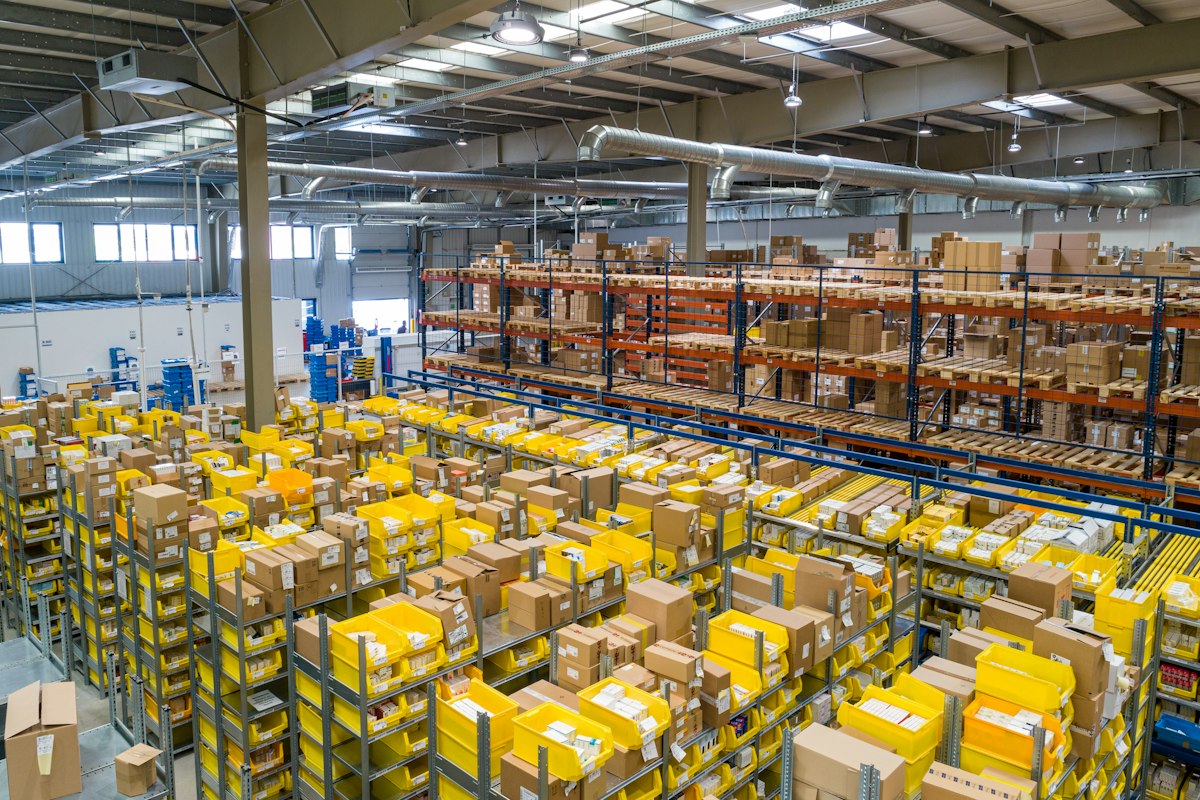
Amazon Seller Central's Inventory Performance dashboard provides a comprehensive view of FBA inventory health across five metrics: Inventory Performance Index (IPI) score, in-stock rate, stranded inventory rate, excess inventory percentage, and sell-through rate. Accessing the dashboard through Inventory > FBA Inventory gives Taiwan brands a real-time snapshot of their entire FBA portfolio, with ASIN-level drill-downs showing days of supply remaining, recommended restock quantity, and restock urgency (green/yellow/red alerts). The dashboard updates every 24 hours, so checking it daily is sufficient for most brands.
The Restock Inventory report (Inventory > Restock Report in Seller Central) is Amazon's primary tool for generating replenishment recommendations. The report calculates days of supply remaining based on your trailing 30 or 90-day sales velocity (configurable), your existing FBA inventory quantity, inbound inventory in transit, and Lead Time settings you configure per ASIN. For Taiwan brands with 25 to 35 day sea freight transit times, setting the Lead Time to 35 to 45 days (transit plus Taiwan manufacturing lead time) ensures the Restock Report triggers replenishment recommendations with enough time to avoid stockout.
Configuring Lead Time accurately is the single most important setup step for Taiwan FBA brands using Amazon's native restock tools. Navigate to Inventory > FBA Inventory > Select ASIN > Edit Lead Time to set the number of days between placing a purchase order and inventory arriving at an Amazon fulfillment center. Taiwan suppliers typically require 10 to 20 manufacturing days plus 25 to 35 sea freight days plus 3 to 7 US customs and delivery days — a total of 38 to 62 days. Set Lead Time to the 75th percentile of your actual cycle time (not the average) to build in buffer for supply chain delays. For most Taiwan supplement brands, a Lead Time setting of 50 to 60 days is appropriate.
Amazon's restock recommendations are accurate for stable demand products but lag on seasonal demand spikes and new product launches. The algorithm uses trailing sales velocity (past 30 or 90 days) to project future demand, meaning it will underestimate inventory needs in the 4 to 6 weeks before a major sales event (Prime Day, Black Friday, holiday season). Taiwan brands should manually override Amazon's restock recommendations by 30 to 50% for the replenishment cycle before anticipated demand spikes, building inventory above Amazon's recommended quantity to ensure adequate stock through peak periods without incurring excess storage fees on the back end.
IPI Score Management and Storage Fee Optimization
The Inventory Performance Index (IPI) score is a 0 to 1,000 composite metric that Amazon uses to assess the efficiency of your FBA inventory management. IPI scores below 400 trigger Amazon-imposed FBA storage limits, restricting the total cubic feet of inventory you can send to Amazon fulfillment centers. IPI scores above 450 maintain unlimited storage access. For Taiwan FBA brands, maintaining an IPI above 500 (healthy range) requires balancing four factors: high sell-through rate (turn inventory quickly), low excess inventory (avoid overstocking), low stranded inventory (no active listing issues preventing sales), and high in-stock rate (avoid stockouts on active ASINs).
Excess inventory — products Amazon flags as having more than 90 days of supply relative to recent sales velocity — is the most common IPI drag for Taiwan brands with manufacturing minimum order quantities (MOQs) that exceed 90-day demand. When a new product's sales velocity is slower than planned, inventory quickly accumulates beyond the 90-day threshold. Remediation options include: creating Coupons or Lightning Deals to accelerate velocity, using Multi-Channel Fulfillment (MCF) to fulfill Shopify or other channel orders from FBA inventory (reducing FBA stock without returning it to Taiwan), and submitting removal orders to liquidate excess inventory through Amazon's liquidation program (recovering 2 to 10 cents per dollar of FBA value).
Stranded inventory — FBA inventory that cannot be sold due to listing issues, pricing rule violations, or category approval lapses — directly reduces IPI scores and incurs storage fees without generating revenue. Access stranded inventory reports through Inventory > FBA Inventory > Stranded Inventory tab. Common stranding causes for Taiwan brands include: listing suppression for missing required attributes (category-specific product data requirements), pricing errors (prices outside of Amazon's fair pricing policy range), and expired FBA registration. Resolve stranded inventory within 30 days — Amazon charges USD 0.15 to USD 0.25 per unit per month for long-term storage of stranded inventory, and chronic stranding can trigger automatic removal at your expense.
Long-term storage fees (LTSF) are charged on the 15th of each month for FBA inventory that has been in Amazon fulfillment centers for 365 days or more. The current LTSF rate is USD 6.90 per cubic foot per month (2026 rate), which can rapidly exceed the product's retail value for slow-moving SKUs. Taiwan brands should run an LTSF audit using the FBA Inventory Age report (Reports > Fulfillment > Inventory Age) monthly and initiate removal orders for any inventory approaching the 300-day threshold that does not have realistic sell-through within the remaining 65 days. The cost of removal (USD 0.97 to USD 1.20 per unit depending on size) is almost always less than the LTSF cost for products that will not sell quickly.
Third-Party Inventory Management Tools for Taiwan Brands
Amazon's native inventory tools are adequate for brands with fewer than 20 active FBA ASINs and stable demand patterns. Taiwan brands with larger catalogs, complex demand seasonality, or multiple sales channels benefit from third-party inventory management platforms. The leading options for Taiwan FBA brands include: Inventory Planner (USD 99 to USD 299/month, excellent demand forecasting and purchase order management), Cin7 (USD 299 to USD 999/month, full multi-channel inventory management with Taiwan supplier integrations), SkuVault (USD 299 to USD 499/month, warehouse management and FBA sync), and Linnworks (USD 449 to USD 899/month, comprehensive multi-channel order and inventory management).
Inventory Planner is particularly well-suited for Taiwan FBA brands because it incorporates Amazon SnS subscription demand, seasonal adjustment factors, and supplier lead time variability into its replenishment calculations. The platform connects directly to Amazon Seller Central via API and generates purchase order drafts based on configured lead times, minimum order quantities (matching Taiwan supplier MOQs), and safety stock targets. For a Taiwan brand managing 10 to 30 FBA ASINs across multiple Amazon marketplaces, Inventory Planner at USD 149/month generates USD 15,000 to USD 50,000 in saved stockout costs and excess inventory costs annually for a return on investment exceeding 10 to 1.
Multi-channel inventory visibility is critical for Taiwan brands selling on both Amazon FBA and direct-to-consumer channels (Shopify, WooCommerce, physical retail). Without centralized inventory tracking, a viral social media post driving direct sales can deplete inventory intended for FBA replenishment, causing Amazon stockouts. Platforms like Linnworks or Brightpearl maintain a single inventory pool and automatically adjust available quantities across all sales channels as orders are fulfilled, preventing overselling and enabling accurate lead-time-based reorder triggers that account for all channel demand simultaneously.
Amazon's Multi-Channel Fulfillment (MCF) program allows Taiwan brands to use FBA inventory to fulfill orders from non-Amazon channels (Shopify, your own website, retail store replenishment). MCF fulfillment fees are higher than standard FBA fees (USD 5.60 to USD 12.90 per unit versus USD 3.22 to USD 7.17 for standard FBA, depending on unit size and weight) but eliminate the need for separate Taiwan-to-US direct shipments for direct-to-consumer channels. For Taiwan brands with total non-Amazon US volume below 500 units per month, MCF is typically more cost-effective than maintaining a separate US 3PL warehouse, consolidating all US inventory into the FBA network.
Building a Restock Alert System and SOPs for Taiwan Operations
A robust restock alert system for Taiwan brands must account for the 38 to 62 day total cycle time from purchase order placement to FBA receiving. The alert trigger point — the inventory level at which a restock order must be placed — is calculated as: Alert Level = (Daily Sales Velocity x Lead Time in Days) + Safety Stock. For a product selling 20 units per day with a 50-day lead time and 15 days of safety stock: Alert Level = (20 x 50) + (20 x 15) = 1,000 + 300 = 1,300 units. When FBA inventory drops below 1,300 units, a purchase order should be placed immediately to avoid stockout.
Email and Slack notification automation using Amazon's SP-API or third-party tools ensures that restock alerts reach the right team member at the right time without requiring daily manual dashboard checks. Services including Helium 10 Alerts, DataHawk, and InventoryLab provide configurable email or Slack notifications when FBA inventory drops below a specified threshold. Set two alert levels: a yellow alert at 120% of the calculated Alert Level (early warning, order should be reviewed and placed within 5 business days) and a red alert at 100% of the Alert Level (urgent, order must be placed today to avoid stockout).
Standard Operating Procedures (SOPs) for Taiwan FBA inventory management should document: who is responsible for reviewing daily alerts, the approval workflow for purchase order release (especially for orders above USD 10,000), Taiwan supplier notification procedures (email template, payment terms, quality inspection checklist), freight forwarder booking procedure and required documentation for Taiwan customs export, and Amazon FBA shipment creation workflow. Documented SOPs reduce the risk of inventory management failures due to team member turnover and ensure consistent execution of the restock process across quarterly demand cycles.
Seasonal inventory planning requires adjusting base restock formulas in advance of predictable demand events. For Taiwan supplement brands, the top demand events are: January (New Year health resolutions, typically 40 to 80% above October baseline), Prime Day (July, typically 200 to 400% of daily baseline for 2 days), and November/December holiday season (Black Friday through Christmas, typically 150 to 300% above October baseline). Build a seasonal inventory plan 90 days in advance of each major event, submitting purchase orders to Taiwan suppliers early enough to receive FBA inventory 30 days before the event's expected start. Early inventory arrival builds FBA receiving buffer against Amazon's inbound processing delays of 3 to 10 business days during peak periods.
Frequently Asked Questions
What IPI score should Taiwan FBA brands aim for?
Aim for an IPI score of 500 or above to ensure unlimited FBA storage access and maintain a comfortable buffer above Amazon's 400-score enforcement threshold. Scores between 400 and 499 are technically compliant but at risk of triggering storage limits if performance temporarily dips. Scores between 500 and 600 are healthy for most mid-size Taiwan brands. Scores above 600 indicate excellent inventory efficiency and are achievable by brands with high sell-through rates (less than 60 days of inventory on hand), minimal stranded inventory (below 0.5%), and consistently high in-stock rates (above 95%). Focus on sell-through rate improvement (via pricing, promotions, and advertising) as the highest-leverage IPI improvement lever for most Taiwan brands.
How many days of FBA safety stock should Taiwan brands maintain?
Taiwan brands should maintain 30 to 45 days of safety stock in FBA fulfillment centers above the projected demand during the replenishment lead time. With a total lead time of 50 days (Taiwan factory to FBA receiving), maintain 80 to 95 total days of inventory at FBA before triggering a restock (50 days lead time coverage + 30 to 45 days safety stock). For Subscribe and Save-heavy SKUs, extend safety stock to 45 to 60 days to protect against SnS delivery failures. During the 60 days before major sales events (Prime Day, Black Friday), increase safety stock to 60 to 90 days to account for demand spikes and potential FBA inbound processing delays.
What happens to my keyword rankings when I have a FBA stockout?
Amazon's search ranking algorithm deprioritizes ASINs that go out of stock, and the ranking loss begins within 24 to 48 hours of an inventory depletion event. For a product that took 90 days to reach page 1 for its primary keyword, a 14-day stockout can result in a page 4 or 5 ranking penalty that requires 30 to 60 days of advertising and sales velocity to recover. The ranking impact compounds with SnS subscription cancellations triggered by failed deliveries and the loss of promotional momentum. The true cost of a 14-day stockout for a Taiwan supplement brand with USD 500/day in organic sales includes: USD 7,000 in direct lost revenue plus USD 5,000 to USD 15,000 in advertising costs to recover lost ranking — a total impact of USD 12,000 to USD 22,000.
Sources & References
- —Amazon Seller Central, FBA Inventory Performance and IPI Score Documentation, sellercentral.amazon.com
- —Inventory Planner, FBA Replenishment Forecasting Guide, inventory-planner.com
- —Helium 10, Amazon Inventory Management Tools and Alerts, helium10.com
- —Feedvisor, Amazon FBA Inventory Optimization Benchmarks, feedvisor.com
Ready to Enter the US Market?
We turn great products into global sales. Contact us today.
Start a partnershipMore Articles
View All →

Cross-Border Trade
How Trade Shows Generate Export Leads: A Practical Guide for Taiwan Brands
8 min read