
LNH31.
Cross-Border Trade · B2B · Amazon
Amazon FBA5 min read·
How Much Inventory Should You Start With on Amazon FBA?
Sending too much inventory risks expensive storage fees. Too little and you stock out before building momentum. Here's the exact formula to calculate your first FBA shipment quantity.
how much inventory amazon fbaamazon fba first shipment quantityfba starter inventoryamazon fba minimum order quantityamazon inventory planning
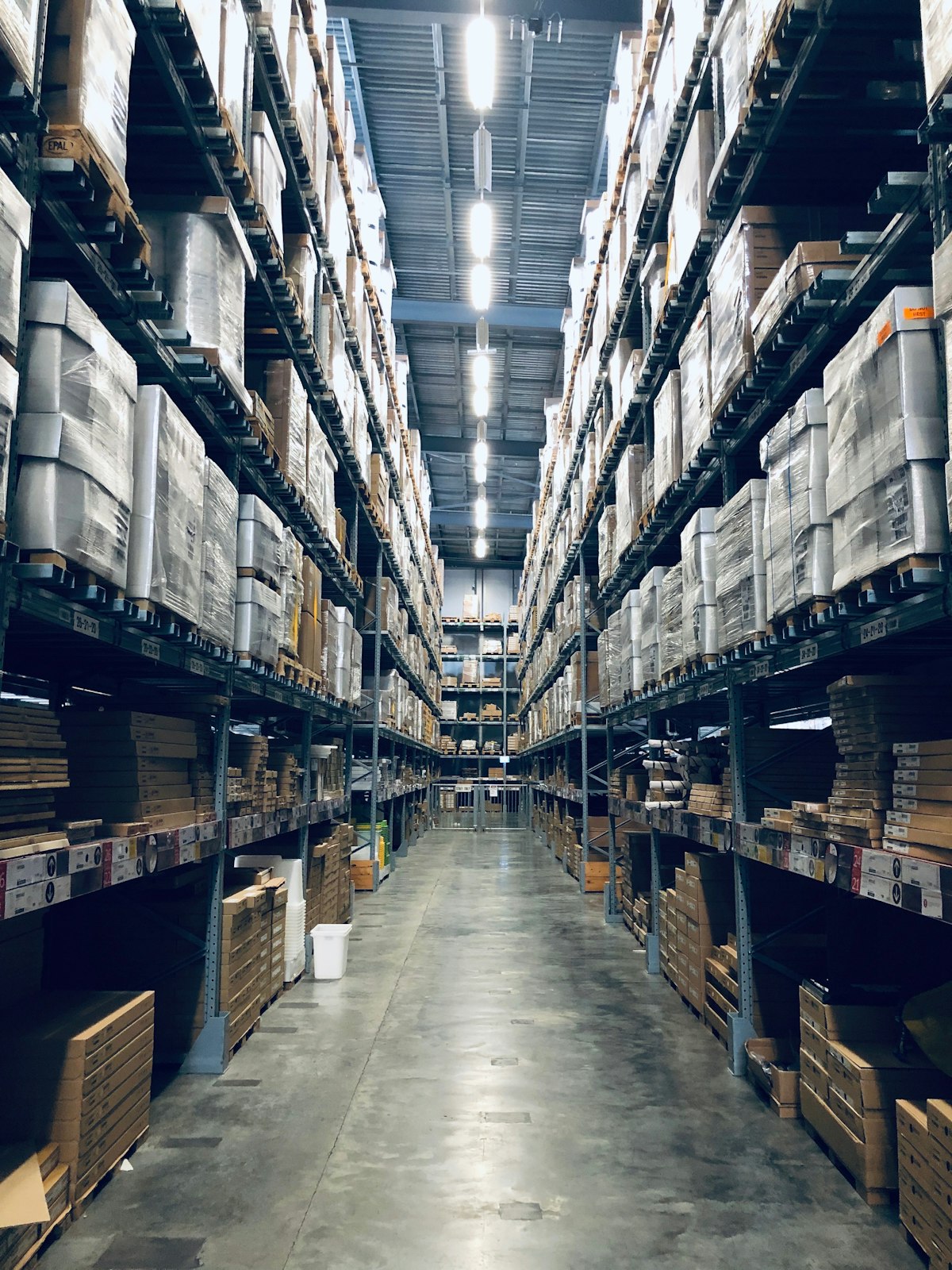
The Two Risks: Stockout vs. Excess Storage
Stocking out (running out of inventory) destroys your Amazon ranking. When you have no units available, your listing drops off the search results. Rebuilding rank after a stockout takes weeks and costs significant PPC spend. This is the more painful mistake.
Sending too much inventory ties up capital and incurs expensive Amazon storage fees — especially during Q4 (October–December) when storage rates nearly triple. Slow-moving inventory also risks the Long-Term Storage surcharge after 365 days.
The goal is to maintain 60–90 days of inventory at all times, with a reorder point that accounts for your international lead time from Taiwan.
The Formula for Your First Shipment
Step 1 — Estimate your daily sales rate. For a brand new listing with no reviews, a conservative estimate is 1–3 units/day in the first month, growing to 3–10 units/day by month 3 as reviews accumulate. Use Amazon's Best Seller Rank (BSR) data for similar products as a benchmark.
Step 2 — Calculate your lead time. For a Taiwan-to-US-Amazon shipment: factory production time (7–21 days) + freight forwarder preparation (3–5 days) + sea freight transit (25–35 days) + Amazon receiving time (7–14 days). Total: 42–75 days from reorder to availability.
Step 3 — First shipment formula: (estimated daily sales × 90 days) + safety buffer (30 days of sales). Example: if you estimate 3 units/day sales, your first shipment = (3 × 90) + (3 × 30) = 270 + 90 = 360 units.
For a completely untested product with no comparable data, start with 200–300 units. It is better to stock out and lose a week of sales than to tie up $5,000+ in inventory of a product that does not sell.
Adjusting Based on Your Budget
The formula above is theoretical — your actual first shipment will also be constrained by your supplier's MOQ and your available capital.
If your supplier's MOQ is 500 units but the formula says 300: negotiate a small-batch first order by offering to pay a higher per-unit price. Most Taiwan suppliers will accommodate this for a 10–20% premium.
If your capital limits you to 150 units but the formula says 300: accept the stockout risk as part of the learning process. The data you gain from your first 150 units sold (conversion rate, which keywords convert, what reviews say) is worth more than the perfect inventory position.
Cash flow reality: a 300-unit shipment of a $10/unit product costs $3,000 in goods + $700 in shipping = $3,700 total. That is a realistic starting budget for an international Amazon seller.
Replenishment Planning: The 60-Day Rule
Once you confirm your first batch is selling (units/day rate stabilizing after 30 days), immediately place your second purchase order. Do not wait until you are nearly out of stock.
The 60-day rule: place a replenishment order when you have 60 days of stock remaining. With a Taiwan-to-US lead time of 40–55 days, this gives you a 5–20 day buffer in case of production delays, port congestion, or Amazon receiving backlogs.
How to calculate your reorder point: (daily sales rate × 55-day lead time) + 15-day safety buffer. If you are selling 5 units/day: reorder when you have (5 × 55) + (5 × 15) = 350 units left. If you are selling 10 units/day: reorder at 700 units remaining.
IPI score impact: Amazon's Inventory Performance Index (IPI) measures your inventory efficiency — selling through stock before it ages and avoiding excess inventory. New sellers start with an IPI of around 400–450. Maintaining above 400 gives you uncapped storage space. Falling below 400 triggers storage limits that can prevent you from sending replenishment. Keeping 60–90 days of stock (not more) is the key to a healthy IPI.
Frequently Asked Questions
What happens if I run out of stock on Amazon FBA?
When your FBA inventory reaches zero, your listing goes inactive and disappears from search results. Your organic rank drops significantly. When you restock, you will need to restart PPC campaigns and may need 2–6 weeks of advertising to rebuild your page 1 position. Avoid stockouts at all costs once you have a performing listing.
Should I send all my inventory at once or in multiple shipments?
For your first product test, send the minimum viable quantity to validate demand. Once you have confirmed the product sells (100+ units sold, positive reviews), start sending regular replenishment shipments every 45–60 days to maintain 60–90 days of stock. This avoids both stockouts and excess storage fees.
How does Amazon's restock limit affect how much I can send?
Amazon imposes FBA storage limits on seller accounts, particularly for new accounts. New accounts typically start with a 1,000–2,000 unit limit across all ASINs. As your sales history grows (usually after 90 days of active selling), Amazon increases your limit based on your sales velocity and IPI (Inventory Performance Index) score.
Sources & References
- —Amazon Seller Central — FBA Inventory Management
- —Amazon — Inventory Performance Index (IPI) Guide
- —Jungle Scout — Amazon Inventory Management Calculator
Ready to Enter the US Market?
We turn great products into global sales. Contact us today.
START PARTNERSHIP →
