
LNH31.
Cross-Border Trade · B2B · Amazon
Cross-Border Trade6 min read·
What Is Cross-Border E-Commerce? A Complete Guide for 2025
Cross-border e-commerce explained: what it is, how it works, the opportunities for Asian brands, and the practical steps to start selling internationally in 2025.
cross border ecommercecross border tradeinternational ecommercesell internationally onlineglobal ecommerce 2025
What Is Cross-Border E-Commerce?
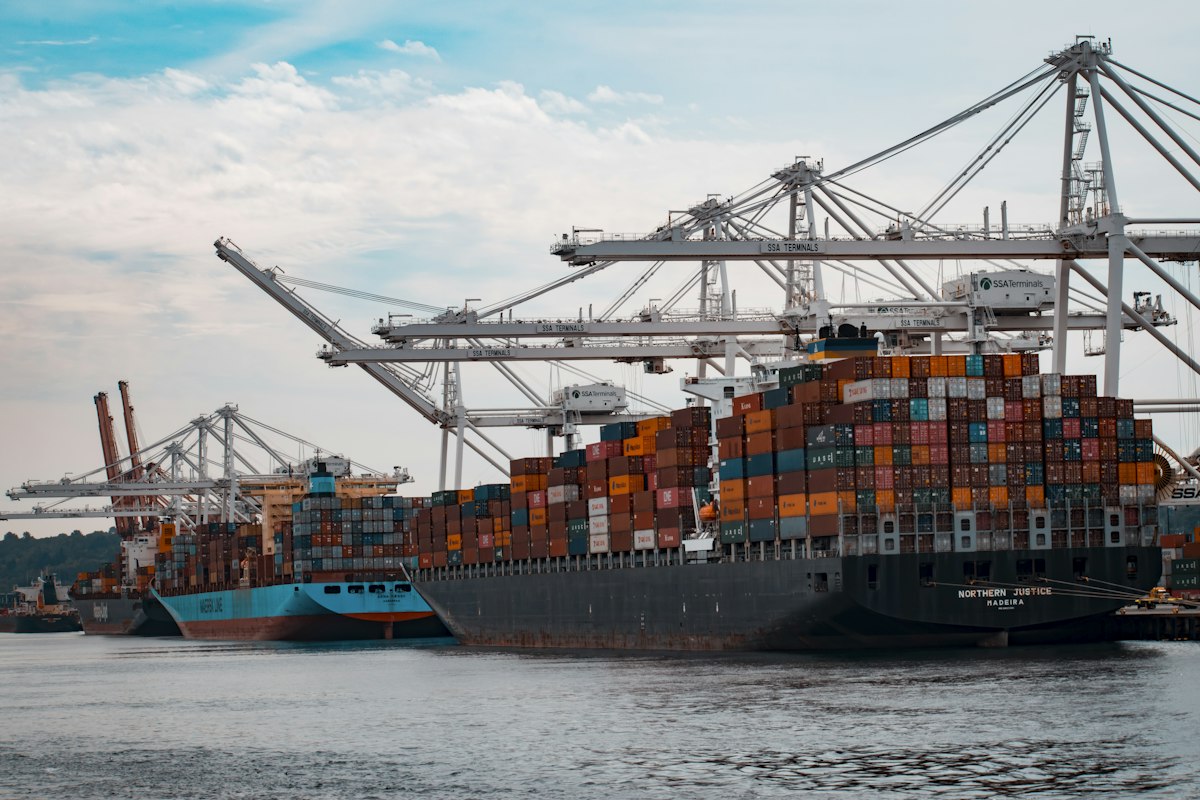
Cross-border e-commerce is the online sale of goods and services from a seller in one country to buyers in a different country. Unlike traditional international trade (which involves freight containers, distributors, and multi-month lead times), cross-border e-commerce can be as simple as listing a product on Amazon and shipping a parcel to a customer overseas.
The global cross-border e-commerce market reached $1.1 trillion in 2023 and is projected to grow to $3.4 trillion by 2028 (Statista, 2024). The growth is driven by Amazon's international expansion, rising consumer comfort with buying from overseas, and improving international logistics.
For manufacturers and brands in Taiwan, Japan, South Korea, and Southeast Asia, cross-border e-commerce is the most accessible path to selling in the US, Australia, and other high-purchasing-power markets.
How Cross-Border E-Commerce Works
The basic flow: a seller lists products on an international platform (Amazon, eBay, Shopify) → a buyer in another country discovers and purchases the product → the seller (or their fulfillment partner) ships the product internationally → the buyer receives the order.
There are two main fulfillment models:
Merchant Fulfilled (Direct Ship): You store inventory in your home country and ship each order internationally. Lower upfront cost, but slower delivery (7–21 days) reduces conversion rates, and international shipping costs can be high for individual parcels.
Marketplace Fulfilled (Amazon FBA, etc.): You ship bulk inventory to the marketplace's overseas warehouses. The marketplace fulfills individual orders locally. Higher upfront inventory cost, but customers get fast local delivery — dramatically improving conversion rates.
Most serious cross-border sellers use marketplace fulfillment for their best-selling products and merchant fulfillment for slow-movers or product testing.
Key Markets for Cross-Border E-Commerce in 2025
United States: The largest and most competitive. Massive consumer base, high purchasing power, Amazon dominance. English language. Requires FDA/FCC compliance for regulated product categories.
Australia: English-speaking, high per-capita income, significantly less competition than the US on Amazon. Many categories are underdeveloped on amazon.com.au. Great market for testing new products.
Japan: Third-largest Amazon marketplace. Japanese consumers are willing to pay premium prices for quality goods. High bar for product quality and packaging. Japanese language listings required. Low return rates.
United Kingdom & Europe: Large markets but post-Brexit complexity in the UK, and EU VAT compliance adds cost and administrative burden. Worth pursuing after establishing US/AU/JP.
Canada: English + French, close proximity to US market, can often use US Amazon inventory for Canadian orders (Amazon's FBA Export program).
The 5 Pillars of Cross-Border E-Commerce Success
Pillar 1 — Product-Market Fit: Does your product solve a problem that buyers in the target country have? Are they actively searching for it online? Use Amazon keyword research tools to validate demand before investing.
Pillar 2 — Compliance: Every country has different requirements for what can be sold and how it must be labeled. Compliance is non-negotiable — non-compliant products get removed from Amazon and can trigger fines.
Pillar 3 — Logistics: Fast, reliable shipping is table stakes in 2025. US Amazon Prime customers expect 1–2 day delivery. Using FBA or a 3PL warehouse in the target country solves this.
Pillar 4 — Payment Processing: You need a way to receive foreign currency. Options include Payoneer, World First, Wise Business, or a local business bank account in the target country.
Pillar 5 — Marketing: Getting discovered matters. Amazon PPC ads are the most direct path to visibility. Budget 10–20% of revenue for PPC in the first 6–12 months until you build organic ranking.
Common Mistakes in Cross-Border E-Commerce
Mistake 1 — Direct translation of domestic product positioning. What works in Taiwan/China often doesn't resonate with US buyers. Hire native English speakers to write your US listings.
Mistake 2 — Ignoring compliance until after launch. Non-compliant products get suspended — after you've already spent money on inventory, shipping, and advertising.
Mistake 3 — Underpricing. Setting prices too low based on home-market benchmarks ignores the cost stack and signals low quality to US consumers.
Mistake 4 — Shipping to Amazon without UPC/EAN barcodes. Amazon requires GS1-registered barcodes. Buy them from GS1 directly — avoid resellers.
Mistake 5 — Sending too much inventory on the first shipment. Start with 200–500 units to test demand before committing to large inventory positions.
Frequently Asked Questions
Is cross-border e-commerce legal?
Yes, cross-border e-commerce is legal in virtually all countries. However, specific products may be restricted or require special permits for import/export (e.g., food, supplements, electronics, certain chemicals). Always verify import regulations in the destination country before selling.
How do you handle customs and import duties in cross-border e-commerce?
When you ship bulk inventory to an Amazon fulfillment center (FBA), you are the importer of record and responsible for paying customs duties. A US customs broker can handle this for you for a fee of $75–$200 per shipment. The duty rate depends on your product's HTS classification code, typically 0–7.5% for goods from Taiwan.
What currencies are supported in cross-border e-commerce?
Amazon pays sellers in the local marketplace currency (USD for US, AUD for Australia, JPY for Japan). You can receive these payments in a local bank account or use currency conversion services like Payoneer, Wise Business, or World First to convert to TWD, RMB, or your home currency.
How important is product localization for cross-border selling?
Very important. At minimum, your product listing (title, bullets, description) must be in the local language with culturally resonant messaging. Packaging should ideally also be localized, especially for Japan which has strict labeling requirements.
Sources & References
- —Statista — Global Cross-Border E-Commerce Market Size 2023–2028
- —Amazon Global Selling — Getting Started Guide
- —US Customs and Border Protection — Importing into the United States
- —GS1 — Barcode Standards for International Commerce
Ready to Enter the US Market?
We turn great products into global sales. Contact us today.
START PARTNERSHIP →
