LNH31.
Cross-border trade · B2B · Amazon
US Market11·
How to Sell to Sprouts Farmers Market: Supplier Onboarding for Taiwan Brands
Complete supplier onboarding guide for Sprouts Farmers Market's 420+ natural grocery stores, covering the supplier portal application, 12-16 week category review process, required certifications, slotting fees of USD 5,000 to USD 25,000 per SKU, and margin expectations for Taiwan brands.
sprouts farmers market suppliernatural grocery supplier usasprouts vendor application
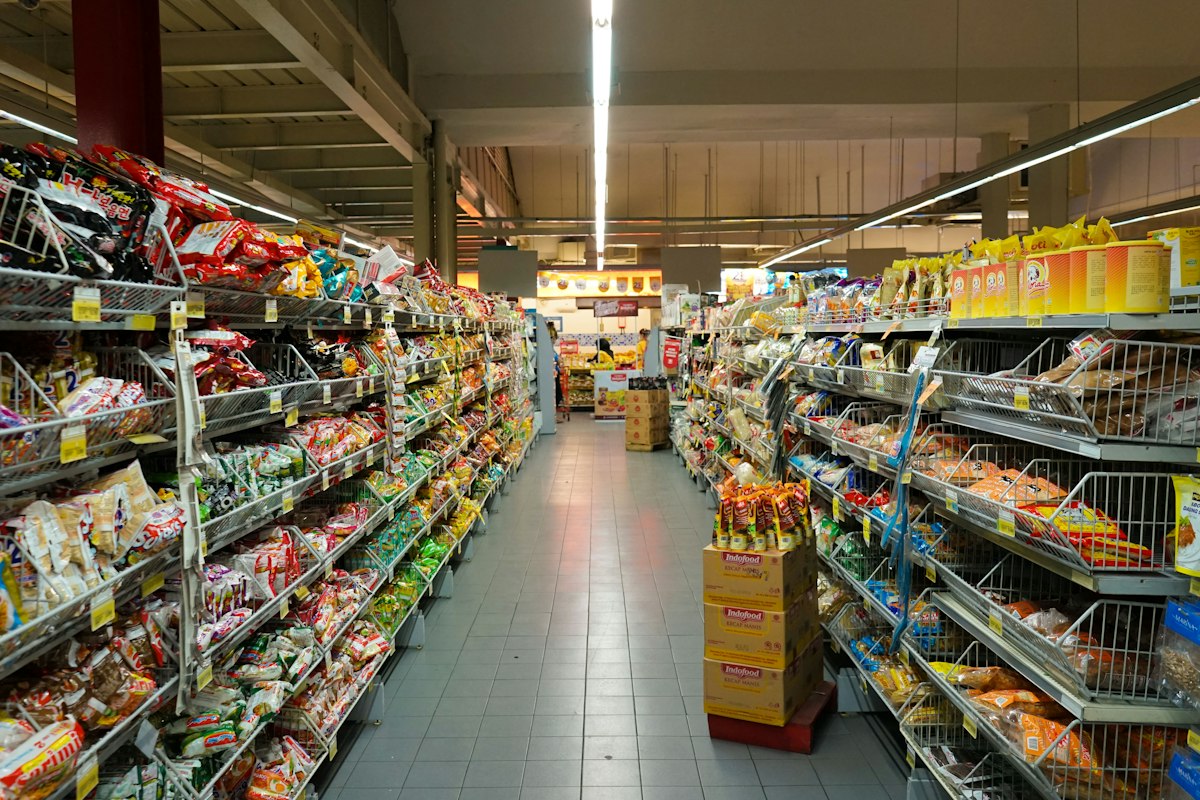
Sprouts Farmers Market: 420+ Stores Focused on Natural and Organic
Sprouts Farmers Market operates over 420 stores across 23 states, generating approximately USD 7.4 billion in annual revenue (fiscal year 2025). The company focuses exclusively on natural, organic, and health-conscious products, positioning itself between conventional grocery chains (Kroger, Safeway) and premium natural retailers (Whole Foods, Erewhon). Sprouts' target customer is the health-aware shopper who wants natural products at accessible price points, with an average household income of USD 85,000 to USD 120,000. The chain's fastest-growing categories are plant-based foods (growing 18 percent year-over-year), functional supplements (14 percent growth), and Asian-inspired health foods (12 percent growth).
Sprouts' vitamins and supplements department is a significant differentiator from other natural grocers, occupying 15 to 20 percent of total store floor space and generating approximately 22 percent of gross margin dollars. The department carries 4,000 to 5,000 SKUs per store, significantly more than Whole Foods (2,500 to 3,000 supplement SKUs) and far more than conventional grocers (200 to 500 supplement SKUs). Sprouts actively recruits supplement brands with clinical evidence, transparent labeling, and unique formulations that appeal to health-conscious consumers. Staff members in the vitamin department receive ongoing training and can recommend products, making this a high-touch selling environment where product quality and story matter more than price.
The geographic distribution of Sprouts stores is concentrated in the Sun Belt: California (120+ stores), Texas (60+ stores), Arizona (50+ stores), Colorado (35+ stores), and Florida (30+ stores). Expansion plans call for 30 to 35 new stores annually through 2028, with focus markets including the Southeast (Georgia, Tennessee, North Carolina) and Mid-Atlantic (Virginia, Maryland). For Taiwan brands, this geographic concentration simplifies logistics: a West Coast 3PL warehouse can service approximately 60 percent of Sprouts locations, with a second distribution point in Dallas or Phoenix covering most remaining stores.
Sprouts' competitive positioning offers specific advantages for Taiwan health brands compared to Whole Foods. Sprouts has lower slotting fees (USD 5,000 to USD 25,000 per SKU versus Whole Foods' USD 10,000 to USD 50,000), shorter category review cycles (12 to 16 weeks versus Whole Foods' 16 to 24 weeks), and is more receptive to emerging brands without established US distribution. Sprouts' buyers attend regional natural product trade shows such as Natural Products Expo West (Anaheim, March) and Expo East (Philadelphia, September), where Taiwan brands can secure face-to-face meetings that dramatically increase the probability of listing approval from approximately 5 percent (cold submission) to 15 to 25 percent (post-meeting submission).
Supplier Portal Application and Category Review Process
The Sprouts supplier application process begins at the Sprouts Supplier Portal (sprouts.com/suppliers), where prospective vendors submit a New Vendor Information Form. Required information includes: company legal name and address, federal EIN, product category and sub-category, current retail distribution (list existing US retailers), certifications held (USDA Organic, Non-GMO Project Verified, NSF, GMP), product samples (3 to 5 units per SKU), suggested retail price and wholesale cost, promotional marketing plan, and a 30-second product pitch video (optional but strongly recommended). Taiwan brands must provide a US-based address and contact for the application, which can be your US importer, 3PL warehouse, or registered agent.
After submission, the category buyer conducts an initial screening (2 to 4 weeks) evaluating product-market fit, competitive differentiation, price point viability, and certification credentials. Approximately 30 percent of submissions pass initial screening and are invited to a formal category review meeting, which takes place either in-person at Sprouts' headquarters in Phoenix, Arizona, or via video conference. The category review presentation should cover: market size and growth trends for your product category (use SPINS or IRI data), competitive analysis against products currently on Sprouts shelves, clinical or efficacy evidence for health claims, packaging mockup with Sprouts planogram context, and a 12-month promotional plan with specific trade spend commitments.
Category reviews occur in 4 cycles per year (January, April, July, October), with each cycle covering specific product categories. The vitamins and supplements category is typically reviewed in January and July, while packaged foods and beverages are reviewed in April and October. After the category review, the buyer makes a ranging decision within 2 to 4 weeks. Approved products enter a 6 to 8 week onboarding process covering: EDI (Electronic Data Interchange) setup with Sprouts' systems (SPS Commerce integration at USD 300 to USD 500 per month), logistics routing through Sprouts' DC network (5 distribution centers), vendor compliance manual training, and planogram assignment.
The total timeline from initial application to products on shelf ranges from 12 to 16 weeks for the fastest approvals and up to 24 weeks for products requiring additional compliance review. Taiwan brands can accelerate this timeline by preparing all documentation in advance, having US-based representation available for meetings, and submitting during the appropriate category review cycle. The single most impactful action is attending Natural Products Expo West or Expo East and booking a meeting with Sprouts category buyers through the show's retailer-meeting program, which compresses the initial screening process from 4 weeks to a single 20-minute meeting.
Required Certifications, Slotting Fees, and Margin Expectations
Sprouts requires or strongly prefers several third-party certifications for health and supplement products. FDA facility registration and GMP compliance (21 CFR Part 111 for dietary supplements) are mandatory and non-negotiable. Beyond FDA requirements, Sprouts strongly prefers USDA Organic certification (required for any product making organic claims, certification costs USD 2,000 to USD 5,000 annually through certifiers like Oregon Tilth or QAI), Non-GMO Project Verification (USD 2,000 to USD 8,000 per SKU per year, 4 to 6 month verification process), and NSF International certification for supplements (USD 5,000 to USD 10,000 per product). Products with all three certifications receive priority planogram placement and are highlighted in Sprouts' promotional materials.
Slotting fees at Sprouts range from USD 5,000 to USD 25,000 per SKU depending on the product category, number of stores in the initial rollout, and shelf placement. Vitamins and supplements typically fall in the USD 8,000 to USD 15,000 range per SKU for a 100-store initial placement. Packaged foods and beverages range from USD 5,000 to USD 12,000 per SKU. Free-fill programs (providing the first delivery of inventory at no charge to the retailer) are sometimes accepted in lieu of cash slotting fees, with free-fill value typically equivalent to 2 to 4 weeks of projected sales per store. For a 3-SKU launch across 100 stores, budget USD 25,000 to USD 50,000 total for slotting and/or free-fill.
Wholesale margin expectations at Sprouts follow the natural grocery industry standard of 35 to 45 percent off the suggested retail price (SRP). For a supplement product with an SRP of USD 29.99, Sprouts expects a wholesale price of USD 16.49 to USD 19.49 (35 to 45 percent discount). After accounting for Sprouts' distribution center handling fee (approximately 3 percent of wholesale), your net received price is approximately USD 15.99 to USD 18.90. Your landed cost (manufacturing, shipping from Taiwan, customs, US labeling, 3PL handling) must not exceed 40 percent of the SRP (approximately USD 12.00) to maintain minimum 15 percent gross margin after all trade costs.
Promotional expectations include a minimum of 4 promoted periods per year, with each promotion requiring a temporary price reduction (TPR) of 15 to 25 percent funded by the supplier. Sprouts' most impactful promotional vehicles are the monthly circular (2.5 million distribution), digital coupons on the Sprouts app (8 million active users), and in-store end-cap displays (USD 500 to USD 2,000 per store per week). Taiwan brands should budget 10 to 15 percent of gross revenue for trade promotions in Year 1, declining to 8 to 10 percent in subsequent years. In-store demo/sampling programs (managed by companies like CROSSMARK or Advantage Solutions) cost USD 150 to USD 250 per store per 4-hour demo shift and generate an average 300 percent sales uplift during the demo period.
Onboarding Logistics and Comparison with Whole Foods Approach
Sprouts operates 5 regional distribution centers located in Aurora, Colorado; Colton, California; Glendale, Arizona; Denton, Texas; and Atlanta, Georgia. All products must be delivered to the appropriate DC, and Sprouts does not accept direct-store-delivery (DSD) for health supplements. Your 3PL or freight carrier must be registered in Sprouts' vendor routing guide, and deliveries must arrive within the specified delivery window (typically a 2-hour slot, 4 to 6 times per week). Late deliveries incur a compliance fine of USD 500 to USD 2,000 per occurrence, and 3 late deliveries within 90 days can trigger a formal vendor compliance review.
EDI (Electronic Data Interchange) capability is mandatory for all Sprouts suppliers. The chain uses SPS Commerce as its EDI platform, requiring suppliers to exchange PO receipts (EDI 855), advance ship notices (EDI 856), and invoices (EDI 810) electronically. Setup takes 2 to 4 weeks through SPS Commerce at a cost of USD 300 to USD 500 per month for the connection, plus one-time mapping fees of USD 1,500 to USD 3,000. For Taiwan brands without in-house EDI capability, your US-based 3PL or import partner can manage EDI transactions on your behalf, adding approximately USD 200 to USD 400 per month to their service fees.
Comparing Sprouts to Whole Foods for Taiwan brand market entry reveals several practical differences. Whole Foods (540+ stores, owned by Amazon) has stricter quality standards (WFM banned ingredient list of 250+ substances), higher slotting fees (USD 10,000 to USD 50,000 per SKU), longer review cycles (16 to 24 weeks), and requires a formal relationship with a Whole Foods-approved distributor (UNFI or KeHE). However, Whole Foods offers the advantage of Amazon integration: products listed in Whole Foods can be made available through Amazon Prime Now for same-day delivery, and Whole Foods shelf presence boosts Amazon search ranking for the same brand through Amazon's cross-channel algorithm.
The recommended strategy for Taiwan brands is to launch with Sprouts first, build 12 to 18 months of US sales data and consumer reviews, then approach Whole Foods with proven market performance. Sprouts' lower barriers to entry (lower slotting fees, shorter review cycles, more receptive to emerging brands) make it the ideal proving ground. Once you demonstrate consistent sales velocity at Sprouts (minimum USD 50 per store per week), Whole Foods category buyers are significantly more receptive to your application. Additionally, your Sprouts SPINS data (syndicated retail data covering all natural channel retailers) serves as third-party validation that Whole Foods buyers trust. Submit your Sprouts SPINS reports alongside your Whole Foods application to increase approval probability from 5 percent to approximately 20 percent.
Frequently Asked Questions
What certifications does Sprouts require for health supplement suppliers?
At minimum, FDA facility registration and 21 CFR Part 111 GMP compliance are mandatory. Sprouts strongly prefers USDA Organic (USD 2,000 to USD 5,000 annually), Non-GMO Project Verified (USD 2,000 to USD 8,000 per SKU), and NSF International certification (USD 5,000 to USD 10,000 per product). Products with all three certifications receive priority shelf placement and promotional inclusion. Start the certification process 6 to 9 months before your planned Sprouts application.
How much should I budget for a Sprouts launch with 3 SKUs?
Budget USD 80,000 to USD 140,000 for a 100-store launch with 3 SKUs. This includes slotting fees (USD 25,000 to USD 50,000), initial inventory at wholesale (USD 15,000 to USD 30,000), certifications (USD 10,000 to USD 20,000), EDI setup and monthly fees (USD 5,000 first year), trade promotions (USD 10,000 to USD 20,000), and in-store sampling program (USD 15,000 to USD 20,000 for 4 demo rounds across 100 stores).
Can Taiwan brands apply to Sprouts without a US-based distributor?
Yes, unlike Whole Foods which requires UNFI or KeHE distribution, Sprouts accepts direct-to-DC delivery from any vendor who meets their routing and EDI requirements. You need a US-based 3PL warehouse for inventory staging and a freight carrier registered in Sprouts' vendor routing guide. Companies like ShipBob, FulfillmentWorks, or Saddle Creek Logistics can serve as your 3PL and handle Sprouts-compliant deliveries for USD 3 to USD 8 per case shipped.
When should I attend Natural Products Expo to meet Sprouts buyers?
Natural Products Expo West (Anaheim, California in March) is the primary event where Sprouts buyers conduct new vendor meetings. Register for exhibitor or attendee access 4 to 6 months in advance, and apply for the retailer-meeting program at least 8 weeks before the show. A 10x10 booth costs approximately USD 6,000 to USD 8,000, and the retailer meeting program fee is USD 500 to USD 1,000. Expo East (Philadelphia, September) is a secondary option with fewer Sprouts buyers but less competition for meeting slots.
Sources & References
- —Sprouts Farmers Market -- 2025 Annual Report and 10-K Filing (SEC)
- —SPINS -- Natural Channel Retail Market Performance Report 2025
- —New Hope Network -- Natural Products Industry Market Size and Growth Trends 2025
Ready to Enter the US Market?
We turn great products into global sales. Contact us today.
Start a partnershipMore Articles
View All →
Cross-Border Trade
How Trade Shows Generate Export Leads: A Practical Guide for Taiwan Brands
8 min read