
LNH31.
Cross-border trade · B2B · Amazon
US Compliance13·
FDA OTC Drug Monograph Compliance Guide for Taiwan Product Exporters
Comprehensive guide to FDA OTC drug monograph compliance for Taiwan exporters, covering CARES Act reforms, establishment registration, NDC numbers, Drug Facts labeling, and GMP requirements under 21 CFR 211.
FDA OTC monographOTC drug compliancedrug facts label21 CFR 211 GMPtaiwan otc export usa
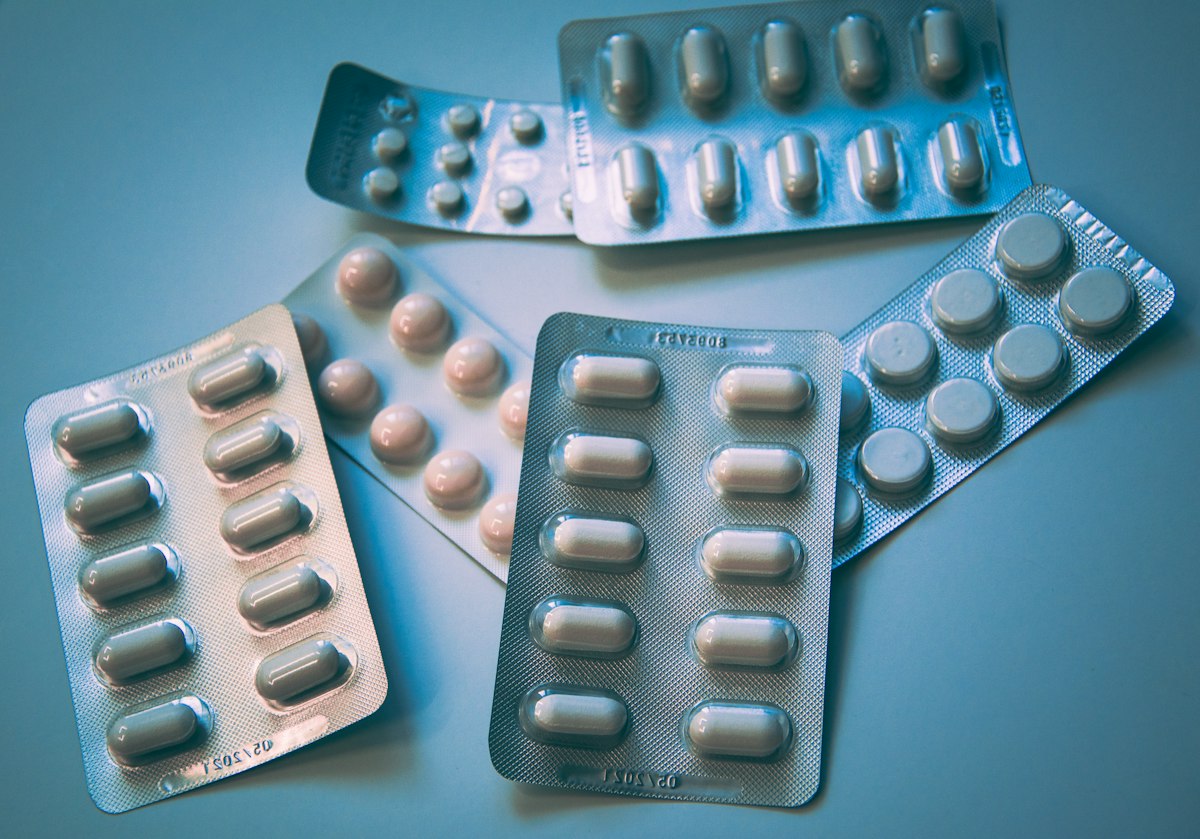
Understanding the FDA OTC Drug Monograph System and CARES Act 2020 Reforms
The FDA's Over-the-Counter (OTC) Drug Monograph system establishes the conditions under which certain OTC drug products can be marketed in the United States without individual pre-market approval through a New Drug Application (NDA). Each monograph specifies the acceptable active ingredients, doses, formulations, labeling, and testing requirements for a particular category of OTC drugs. Products that conform to all requirements of an applicable final monograph (or tentative final monograph with enforcement discretion) can be manufactured and sold without FDA pre-approval, significantly reducing time-to-market compared to the NDA pathway, which typically requires 12 to 24 months and costs USD 1 million to USD 5 million in clinical studies and regulatory fees.
The CARES Act (Coronavirus Aid, Relief, and Economic Security Act), signed into law on March 27, 2020, fundamentally reformed the OTC monograph system through Title III, Subtitle F, known as the OTC Monograph Reform provisions. Prior to the CARES Act, monograph updates required a slow and cumbersome notice-and-comment rulemaking process that took an average of 10 to 15 years to finalize. The CARES Act replaced this with an administrative order process that allows FDA to update monographs more efficiently through proposed orders, final orders, and a streamlined hearing process. This reform also introduced user fees for OTC monograph drug facility registration, starting at USD 14,838 per facility per year as of fiscal year 2026.
For Taiwan manufacturers, the OTC monograph pathway represents a significant market opportunity for products including topical analgesics (menthol, methyl salicylate, capsaicin formulations), sunscreens (zinc oxide, titanium dioxide, octinoxate), hand sanitizers (ethyl alcohol 60-95 percent), antifungal treatments (clotrimazole, terbinafine), first aid antiseptics (benzalkonium chloride, hydrogen peroxide), and external analgesic patches. Taiwan's pharmaceutical manufacturing base is well-positioned to produce these products at competitive costs, but compliance with the full scope of FDA requirements is essential for legal market access.
The CARES Act also established enhanced enforcement provisions that apply equally to domestic and foreign manufacturers. FDA can now issue mandatory recall orders for OTC monograph drugs that pose an unreasonable risk of serious adverse health consequences, a power it previously lacked for monograph products. FDA's annual budget for OTC drug regulation increased to USD 35 million under the user fee program, funding approximately 200 additional staff dedicated to OTC monograph oversight, foreign facility inspections, and post-market surveillance. Taiwan manufacturers should expect increased FDA scrutiny and should proactively invest in compliance infrastructure rather than waiting for an enforcement action.
Drug Establishment Registration, NDC Number Assignment, and Drug Listing Requirements
Every facility that manufactures, repacks, relabels, or salvages OTC drug products for sale in the United States must register with FDA as a drug establishment. Foreign manufacturers register through FDA's Drug Registration and Listing System (DRLS), accessible online at FDA.gov. Registration must be completed before any product is imported into the US, and must be renewed annually between October 1 and December 31. The annual establishment registration fee for fiscal year 2026 is USD 7,653 for facilities subject to the OTC Monograph Drug User Fee Act (OMUFA), in addition to any applicable Prescription Drug User Fee Act (PDUFA) establishment fees if the facility also manufactures prescription drugs.
Foreign establishments must designate a US Agent who resides or maintains a place of business in the United States. The US Agent serves as FDA's point of contact for communications regarding the facility, including inspection scheduling, product recalls, and emergency notifications. The US Agent must be available during normal US business hours and is authorized to receive inspection notices, respond to inquiries, and facilitate communication between FDA and the foreign facility. US Agent services are available from regulatory consulting firms at costs typically ranging from USD 1,500 to USD 5,000 per year, depending on the scope of services provided.
Each OTC drug product marketed in the US must be assigned a National Drug Code (NDC) number, which is a unique 10-digit, 3-segment identifier in the format 12345-6789-01, where the first segment identifies the labeler (manufacturer, repacker, or distributor), the second segment identifies the product (specific formulation, strength, and dosage form), and the third segment identifies the package size and type. The labeler code is assigned by FDA upon request and is typically issued within 5 to 10 business days. The product and package codes are assigned by the labeler according to FDA's formatting guidelines. NDC numbers must appear on all drug product labels and are used for Medicare/Medicaid reimbursement, pharmacy dispensing systems, adverse event reporting, and product recall identification.
Drug listing is the process of reporting each specific product to FDA through the DRLS, including the product's NDC number, active ingredients, dosage form, route of administration, labeling text, and the applicable OTC monograph under which the product is marketed. Initial drug listing must be completed before the product enters interstate commerce, and updates must be submitted within 30 days of any change to the product listing information. Annual updates confirming the accuracy of all listings are required between June 1 and June 30. FDA uses drug listing data to plan inspections, identify marketed products, manage recalls, and compile the National Drug Code Directory, which is publicly searchable on the FDA website.
Taiwan manufacturers should establish their FDA registration and NDC assignment at least 90 days before the planned first shipment to the United States. This buffer accounts for the registration processing time, US Agent arrangement, NDC labeler code assignment, and initial drug listing submission. The total cost for initial establishment registration, US Agent services, and NDC setup is approximately USD 10,000 to USD 15,000 in the first year, with annual renewal costs of approximately USD 9,000 to USD 12,000 thereafter. These costs are modest relative to the market opportunity, with the US OTC drug market valued at approximately USD 37 billion in 2025 and growing at 4.2 percent annually.
Drug Facts Label Format and 21 CFR 201 Labeling Requirements
All OTC drug products marketed under the monograph system must display a standardized Drug Facts label that follows the precise format specified in 21 CFR 201.66. The Drug Facts panel must appear on the outer package or container label and present information in the following order: Active Ingredient(s) with purpose, Uses, Warnings, Directions, Other Information, Inactive Ingredients, and Questions/Comments contact information. Each section must use the exact heading text prescribed by the regulation, and the content under each heading must follow specific formatting rules including font size minimums, line spacing, bullet points for individual warnings, and a hairline rule separating the Drug Facts panel from other label text.
The minimum type size for the Drug Facts panel is 6-point font with at least 1-point leading (the space between lines of text). For packages with a principal display panel area of less than 12 square inches, the minimum type size may be reduced to no less than 4.5-point font. The heading "Drug Facts" must appear in at least 8-point bold font, and section headings (Active Ingredient, Uses, Warnings, Directions) must be in bold font no smaller than the body text. These typography requirements are strictly enforced by FDA, and labeling that fails to meet the minimum type size or formatting requirements can result in the product being deemed misbranded under Section 502 of the Federal Food, Drug, and Cosmetic Act.
Warning statements must follow the exact language specified in the applicable monograph and must include all required warnings for the active ingredient(s). Common required warnings include "For external use only," "Do not use on wounds or damaged skin," "Stop use and ask a doctor if condition worsens or does not improve," and allergen-specific warnings for ingredients such as aspirin, ibuprofen, or acetaminophen. For sunscreen products, the required warnings include specific language about skin cancer and early aging claims, reapplication frequency, and children under 6 months restriction. Taiwan manufacturers must use verbatim warning text from the monograph and must not paraphrase, summarize, or omit any required warnings.
The Directions section must specify the exact dosage amount, frequency, maximum daily dose, and age-specific instructions as defined in the monograph. For topical products, directions must indicate the application area, frequency of application, and duration of use before consulting a doctor. The Inactive Ingredients section must list all inactive ingredients in alphabetical order using their established names as defined in the United States Pharmacopeia (USP) or FDA's Inactive Ingredient Database. The Questions/Comments section must include a US telephone number where consumers can reach the manufacturer or distributor during regular business hours.
Beyond the Drug Facts panel, OTC drug product labeling must also comply with general labeling requirements under 21 CFR 201, including the declaration of net quantity of contents in both US customary and metric units, the name and place of business of the manufacturer, packer, or distributor, adequate directions for use, and the required caution statements. For products imported from Taiwan, the country of origin ("Made in Taiwan" or "Manufactured in Taiwan") must be clearly stated on the label as required by US Customs and Border Protection regulations. All label text must be in English, though additional languages are permitted if the English text is given equal prominence.
GMP Compliance Under 21 CFR 211 and FDA Inspection Readiness for Foreign Manufacturers
OTC drug products must be manufactured in compliance with Current Good Manufacturing Practice (cGMP) regulations codified in 21 CFR Parts 210 and 211. These regulations cover every aspect of drug manufacturing, including facility design and maintenance, equipment qualification, personnel qualifications and training, raw material testing and control, production and process controls, laboratory controls, packaging and labeling controls, holding and distribution, complaint handling, and record-keeping requirements. Compliance with cGMP is not optional; manufacturing a drug product under insanitary conditions or not in conformity with cGMP renders the product adulterated under Section 501(a)(2)(B) of the FD&C Act, regardless of whether the finished product meets its specifications.
Key cGMP requirements that Taiwan manufacturers must address include establishment of a quality control unit with the authority and responsibility to approve or reject all components, drug product containers, closures, in-process materials, packaging materials, labeling, and final drug products. Raw materials must be tested for identity, strength, quality, and purity using validated analytical methods, and must be held in quarantine until released by the quality control unit. Production equipment must be qualified (Installation Qualification, Operational Qualification, Performance Qualification) and calibrated at defined intervals, with all calibration records maintained for at least one year beyond the expiration date of the drug product.
Process validation is a critical requirement under 21 CFR 211.110 and FDA's 2011 Process Validation Guidance. Each manufacturing process must be validated to demonstrate that it consistently produces a product meeting its predetermined quality attributes. Validation typically requires a minimum of three consecutive successful production batches at commercial scale, with defined acceptance criteria for critical process parameters and critical quality attributes. For OTC drug products such as topical creams, lotions, and gels, critical quality attributes typically include assay of active ingredient (typically 90 to 110 percent of label claim), content uniformity, pH, viscosity, microbial limits, and preservative effectiveness.
FDA conducts inspections of both domestic and foreign drug manufacturing facilities under a risk-based inspection model. Foreign facilities that have never been inspected by FDA are classified as higher risk and are prioritized for inspection. FDA inspections of Taiwan-based drug facilities have increased significantly since 2020, with approximately 25 to 35 inspections conducted in Taiwan annually across all drug categories. The inspection typically lasts 3 to 5 days for an OTC-only facility and covers facility walkthrough, production records review, laboratory records review, complaint files, stability program, and recall readiness. Observations of cGMP deficiencies are documented on Form FDA 483, and the facility must respond with corrective actions within 15 business days.
Taiwan manufacturers preparing for FDA inspection should conduct internal mock inspections at least annually, using experienced cGMP auditors who are familiar with FDA inspection procedures and current enforcement priorities. Common FDA 483 observations at foreign OTC drug facilities include inadequate investigation of out-of-specification (OOS) results, insufficient validation of analytical methods, failure to maintain equipment cleaning and usage logs, inadequate training documentation, and deficiencies in complaint handling and adverse event reporting procedures. Investing USD 50,000 to USD 150,000 in facility upgrades, quality system enhancements, and staff training before the first FDA inspection is significantly less costly than receiving a Warning Letter, which can result in import alerts and automatic detention of all products at the US border until the deficiencies are resolved.
Frequently Asked Questions
Can Taiwan-made OTC products be sold in the US without FDA pre-approval?
Yes, OTC drug products that conform to all requirements of an applicable final monograph (or tentative final monograph with enforcement discretion) can be manufactured and sold in the US without FDA pre-approval through an NDA. However, the manufacturer must register as a drug establishment with FDA, assign NDC numbers, list each product in the DRLS, comply with cGMP under 21 CFR 211, and use the standardized Drug Facts label format. These requirements apply equally to domestic and foreign manufacturers.
What are the annual costs of maintaining FDA drug establishment registration?
Annual costs include the OTC Monograph Drug User Fee (OMUFA) establishment fee of USD 7,653 (FY 2026), US Agent services of USD 1,500 to USD 5,000, and drug listing maintenance. Total annual compliance costs are approximately USD 9,000 to USD 12,000, excluding manufacturing facility upgrades and quality system maintenance. Initial setup in the first year costs USD 10,000 to USD 15,000 including labeler code assignment and initial drug listing.
What happens if FDA finds cGMP violations at a Taiwan manufacturing facility?
FDA issues observations on Form 483 during the inspection close-out meeting, and the facility has 15 business days to respond with corrective and preventive actions. If the response is inadequate or the violations are severe, FDA may issue a Warning Letter, which is publicly posted on the FDA website and can trigger an Import Alert placing all products from the facility on automatic detention at US ports of entry. Resolution of an Import Alert typically requires a successful re-inspection, which may take 6 to 18 months to schedule.
Which OTC drug categories offer the best opportunity for Taiwan exporters?
The highest-opportunity categories for Taiwan manufacturers are topical analgesics (menthol and camphor patches and creams, market size USD 4.2 billion), sunscreens (zinc oxide and titanium dioxide mineral formulations, market size USD 2.4 billion), hand sanitizers (ethyl alcohol 60-95 percent, market size USD 1.8 billion), and first aid antiseptics (benzalkonium chloride products, market size USD 890 million). These categories align with Taiwan's manufacturing capabilities in pharmaceutical topicals, personal care, and chemical formulation.
Sources & References
- —US Food and Drug Administration -- OTC Monograph Drug User Fee Amendments of 2020 (OMUFA) Guidance
- —CARES Act Title III, Subtitle F -- OTC Monograph Reform Provisions (Public Law 116-136)
- —21 CFR Part 211 -- Current Good Manufacturing Practice for Finished Pharmaceuticals
- —21 CFR 201.66 -- Format and Content Requirements for Over-the-Counter Drug Products Drug Facts Labeling
Ready to Enter the US Market?
We turn great products into global sales. Contact us today.
Start a partnershipMore Articles
View All →

Cross-Border Trade
How Trade Shows Generate Export Leads: A Practical Guide for Taiwan Brands
8 min read