
LNH31.
Cross-border trade · B2B · Amazon
Japan Market12·
Japan Food Additive Designation Rules for Imported Products
Detailed guide to Japan's Food Sanitation Act food additive designation system covering the positive list of approximately 830 approved additives, MHLW approval process, four additive categories, Japanese labeling requirements, and common Taiwan ingredients that are not approved in Japan.
japan food additive listmhlw food additive approvaljapan food import additives
Japan's Positive List System: 830 Approved Additives vs. 3,000 in the US
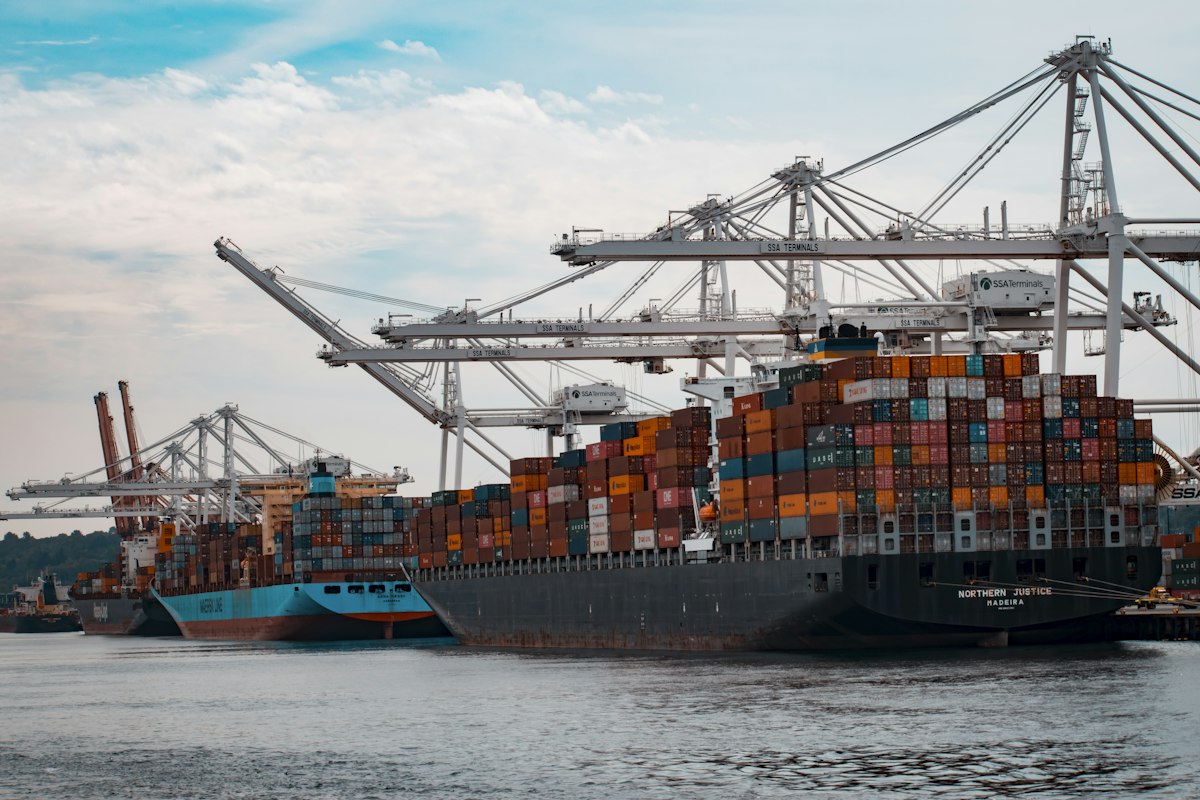
Japan's Ministry of Health, Labour and Welfare (MHLW) operates a strict positive list system under the Food Sanitation Act (Act No. 233 of 1947, most recently amended in 2024) that permits only approximately 830 designated food additives for use in food products sold in Japan. In contrast, the US FDA's GRAS (Generally Recognized as Safe) system allows approximately 3,000 food additives, and the EU permits approximately 2,500. This means that a Taiwan food product formulated with ingredients that are perfectly legal in the US, EU, or Taiwan may contain additives that are illegal to import into Japan. Products containing non-designated additives are rejected at quarantine inspection and must be re-exported or destroyed at the importer's expense.
The stringency of Japan's system stems from a fundamentally different regulatory philosophy. While the US uses a "generally recognized as safe" framework where substances can be self-affirmed by manufacturers, Japan requires explicit government designation for every additive. The MHLW's Food Safety Commission conducts independent risk assessments for each additive, establishing acceptable daily intake (ADI) levels and maximum use levels for each permitted food category. This process is thorough but slow: the average time to designate a new food additive in Japan is 3 to 5 years, with some petitions taking over 7 years to complete.
For Taiwan food exporters, the practical impact is significant. A survey of 200 Taiwan food manufacturers conducted by the Taiwan External Trade Development Council (TAITRA) in 2024 found that 34 percent had experienced at least one product rejection at Japanese quarantine due to non-designated additives, with average losses of JPY 2.5 million (USD 17,000) per incident including product value, freight costs, storage fees, and re-export expenses. The most common offending categories were colorants (15 specific colorants approved in Taiwan but not in Japan), preservatives (8 preservatives approved in Taiwan but not Japan), and sweeteners (4 synthetic sweeteners with different approval status).
Before formulating or shipping any food product to Japan, Taiwan exporters must conduct a complete ingredient audit against the MHLW's designated additive list, which is published in Japanese on the MHLW website and updated approximately twice per year. Request a formal additive screening from a Japanese import regulatory consultant (JPY 50,000 to JPY 100,000 per product) or use the Japan Food Additives Association's (JFAA) English-language additive database for preliminary self-screening. Do not rely on Taiwan TFDA or US FDA approval status as a proxy for Japan acceptability, as the lists diverge significantly.
Four Categories of Food Additives Under Japanese Law
Japan classifies food additives into four distinct categories, each with different regulatory treatment and labeling requirements. Category 1 is Designated Additives (shitei tenkabutsu), which are substances explicitly designated by the MHLW Minister as safe for use in food. This category contains approximately 472 substances as of 2025, including synthetic colorants (such as Food Red No. 102 and Food Yellow No. 4), preservatives (sorbic acid, sodium benzoate), sweeteners (aspartame, sucralose), and emulsifiers. Each designated additive has specified maximum use levels for different food categories, and exceeding these levels results in product rejection even if the additive itself is approved.
Category 2 is Existing Food Additives (kizon tenkabutsu), which are substances that were already in use in Japan before the 1995 amendment to the Food Sanitation Act and were grandfathered into the regulatory system. This list contains approximately 357 substances as of 2025, primarily natural-origin additives such as plant extracts (turmeric oleoresin, gardenia yellow), enzyme preparations (papain, bromelain), and gum-based thickeners (konjac glucomannan, tamarind seed gum). Existing Food Additives do not require MHLW designation but must be listed in the official Existing Food Additives catalog maintained by the JFAA.
Category 3 is Natural Flavoring Agents (tennen kooryoo), covering substances derived from animals or plants that are used exclusively for flavoring purposes. There are approximately 600 recognized natural flavoring agents organized into 18 source categories (citrus, vanilla, herbal, etc.). These additives have simplified regulatory treatment with no maximum use levels, though they must be used at levels consistent with good manufacturing practice and solely for flavoring purposes. Category 4 is General Food and Drink Substances (ippan ni shokuhin to shite kyou sareru mono tenkabutsu), which includes approximately 100 substances that are commonly consumed as food in their own right but may also serve additive functions, such as green tea extract (antioxidant function), agar (gelling agent), and orange juice (flavoring).
The category classification of an additive determines its labeling treatment. Designated Additives must be listed by their designated name (Japanese name specified by MHLW) on the ingredient list, with the purpose of use indicated in parentheses for 8 categories: sweeteners, colorants, preservatives, thickening/stabilizing agents, antioxidants, color-fixing agents, bleaching agents, and fungicides. Existing Food Additives must be listed by their official catalog name. Natural Flavoring Agents can be listed simply as "flavoring" (kooryoo) without individual substance identification. Understanding these labeling rules is essential for creating compliant Japanese packaging. Budget JPY 200,000 to JPY 400,000 for professional Japanese food labeling translation and regulatory review per product.
Common Taiwan Ingredients Not Approved in Japan
Several food colorants commonly used in Taiwan food products are not designated in Japan and will trigger quarantine rejection. These include Allura Red AC (Food Red No. 40 in US nomenclature, used in snacks and beverages), Brilliant Blue FCF (Blue No. 1, used in confectionery), Fast Green FCF (Green No. 3, used in processed foods), and Ponceau 4R (used in meat products and sauces). Taiwan brands must reformulate using Japan-designated alternatives: Food Red No. 102 or Food Red No. 3 instead of Allura Red, Food Blue No. 1 (indigo carmine) instead of Brilliant Blue, and gardenia yellow or red beet color (as Existing Food Additives) instead of synthetic colorants. Reformulation costs typically run JPY 500,000 to JPY 1.5 million per product including stability testing.
Preservative mismatches between Taiwan and Japan create another common rejection category. Potassium sorbate is designated in Japan but has stricter maximum use levels (1.0 g/kg for cheese, 0.5 g/kg for bean paste, not permitted in beverages) compared to Taiwan's broader permissions. Natamycin is not designated in Japan although it is widely used in Taiwan cheese and baked goods. Propyl paraben (propyl p-hydroxybenzoate) is designated but only for certain food categories, while in Taiwan it has broader approval. Taiwan exporters should request a side-by-side comparison of permitted preservatives and their use levels from their Japanese regulatory consultant, as even approved preservatives may have different maximum concentration limits.
Sweetener designation gaps affect Taiwan beverage and confectionery exporters significantly. Advantame is designated in Japan but acesulfame potassium has maximum use levels that differ from Taiwan regulations. Stevia rebaudiana extracts are approved in both countries, but Japan specifies steviol glycoside content requirements (minimum 95 percent steviol glycoside content) that not all Taiwan-sourced stevia products meet. Monk fruit (luo han guo) extract is classified as an Existing Food Additive in Japan and is permitted, but the extract must meet the specifications published in the Japan's Specifications and Standards for Food Additives (9th Edition). Products using non-compliant stevia or other sweetener formulations must be adjusted before export.
The quarantine inspection process at Japanese ports catches non-designated additives through both documentary review and laboratory testing. The MHLW's quarantine stations (located at Yokohama, Kobe, Narita, Kansai, and 28 other ports) inspect approximately 30 percent of first-time food imports and 10 to 15 percent of repeat imports. Laboratory testing for food additives costs JPY 30,000 to JPY 80,000 per sample and results take 5 to 10 business days, during which the product is held at the importer's expense (warehouse fees of JPY 5,000 to JPY 15,000 per day per container). Products that fail testing receive an Imported Food Violation Notice, and the importer must either re-export or destroy the goods within 30 days. Repeated violations from the same exporter trigger enhanced inspection rates of 50 to 100 percent.
MHLW Approval Process for New Additives and Practical Alternatives
The MHLW process for designating a new food additive begins with a petition submitted by an interested party (manufacturer, trade association, or foreign government) to the Standards and Evaluation Division of MHLW's Pharmaceutical and Food Safety Bureau. The petition must include: chemical identification and specifications, manufacturing process description, stability data, toxicological studies (typically 90-day and chronic toxicity studies in rodents, genotoxicity battery, reproductive toxicity, and carcinogenicity assessment), dietary exposure assessment for the Japanese population, technological necessity justification, and international regulatory status. The petition package costs approximately USD 500,000 to USD 2 million to prepare, primarily due to the toxicological study requirements.
After receiving a petition, MHLW refers it to the Food Safety Commission of Japan (FSCJ) for independent risk assessment. The FSCJ evaluates the toxicological data and establishes an acceptable daily intake (ADI) or determines that an ADI is unnecessary for low-risk substances. The FSCJ risk assessment typically takes 18 to 36 months. Following FSCJ approval, MHLW conducts its own risk management assessment (6 to 12 months) to determine appropriate use categories and maximum use levels, then publishes a notice designating the additive. The total process from petition to designation averages 3 to 5 years and has a historical approval rate of approximately 60 percent.
Given the lengthy and expensive designation process, Taiwan exporters should pursue practical alternatives rather than attempting to add new additives to Japan's list. The most effective strategy is reformulation using designated alternatives: replace non-designated colorants with Japan-approved natural pigments, switch preservatives to Japan-designated options, and adjust sweetener blends to use only designated substances. Work with a Japanese food technology consultant (JPY 200,000 to JPY 500,000 per formulation) to identify designated alternatives that maintain your product's taste, appearance, and shelf life. Many Taiwan manufacturers find that the reformulated product actually performs better in the Japanese market because consumers prefer the natural-ingredient alternatives.
Another practical pathway is to classify your product as a processed food that does not use additives requiring designation. For example, if your product uses concentrated fruit juice for color instead of synthetic colorants, or uses high-sugar or low-pH formulation for preservation instead of chemical preservatives, the product avoids the additive designation requirement entirely. Japan's regulatory framework exempts substances that are used as food ingredients (rather than for additive functions) from the designation requirement. A skilled food technologist can often reformulate products to achieve the same functional result using food-ingredient approaches. Engage a Japanese regulatory affairs firm such as CIRS Japan (Tokyo), Ashurst Japan, or JFRL (Japan Food Research Laboratories) to audit your product formulations and recommend the most cost-effective compliance pathway.
Frequently Asked Questions
How can I check if my product's ingredients are approved in Japan?
Use the MHLW's official designated additive list (available on mhlw.go.jp in Japanese) or the Japan Food Additives Association's English database for preliminary screening. For definitive confirmation, submit your full ingredient list to a Japanese import regulatory consultant (JPY 50,000 to JPY 100,000 per product) who will cross-reference each ingredient against all four additive categories and flag any non-compliant substances with recommended alternatives.
What happens if my product is rejected at Japanese quarantine for a non-designated additive?
The product is held at the quarantine station and you receive an Imported Food Violation Notice. You have 30 days to either re-export or destroy the goods at your expense. Warehouse holding fees run JPY 5,000 to JPY 15,000 per day per container, and re-export shipping costs typically equal the original inbound freight. Total cost of a rejection incident averages JPY 2.5 million. Additionally, your importer is flagged for enhanced inspection (50 to 100 percent rate) on subsequent shipments.
Can I petition MHLW to approve a new additive that is legal in Taiwan?
Yes, but the process takes 3 to 5 years and costs USD 500,000 to USD 2 million for toxicological studies and petition preparation. The approval rate is approximately 60 percent. For most Taiwan SMB exporters, reformulation using Japan-designated alternatives is far more practical. Reformulation typically costs JPY 500,000 to JPY 1.5 million and takes 3 to 6 months, compared to years and hundreds of thousands of dollars for a new additive petition.
Sources & References
- —Ministry of Health, Labour and Welfare -- Designated Additives List and Specifications for Food Additives (9th Edition) 2024
- —Food Safety Commission of Japan -- Risk Assessment Guidelines for Food Additives 2024
- —Japan Food Additives Association -- Existing Food Additives Catalog and Reference Standards 2025
Ready to Enter the US Market?
We turn great products into global sales. Contact us today.
Start a partnershipMore Articles
View All →

Cross-Border Trade
How Trade Shows Generate Export Leads: A Practical Guide for Taiwan Brands
8 min read