
LNH31.
Cross-Border Trade · B2B · Amazon
Amazon Strategy5 min read·
Amazon FBA vs FBM: Which Is Better for Your Business in 2025?
FBA and FBM both have their place on Amazon. This comparison breaks down the real cost, speed, and strategic differences to help you choose the right model for your products.
amazon fba vs fbmfba vs fbm comparisonfulfillment by amazon vs merchantamazon fbm vs fba costshould i use fba or fbm
What Is the Difference?
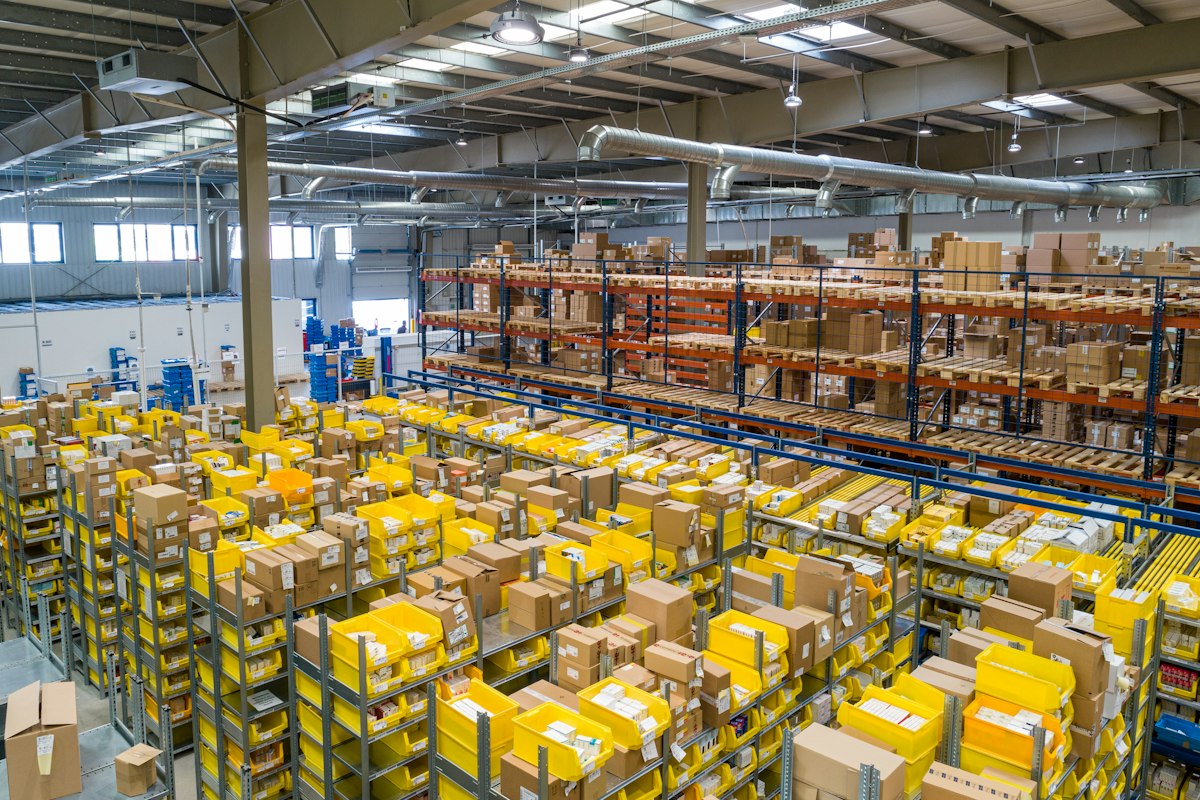
FBA (Fulfillment by Amazon): You ship inventory to Amazon warehouses. Amazon stores it and ships each customer order directly. Your products get the Prime badge and 1–2 day delivery.
FBM (Fulfillment by Merchant): You keep inventory yourself (at home, in a warehouse, or at a 3PL). When an order comes in, you (or your partner) pack and ship it directly to the customer. No automatic Prime badge unless you apply for Seller Fulfilled Prime.
The fundamental tradeoff: FBA costs more per unit but increases conversion. FBM costs less per unit but reduces visibility and conversion on most products.
The Real Cost Difference
For a 1-lb product selling at $29.99: FBA total cost (fulfillment + storage allocation): approximately $5.90/unit. FBM total cost (your packaging + shipping via UPS/FedEx to a US customer): approximately $7–10/unit for standard shipping.
Surprise: For lightweight products shipping domestically, FBA is often cheaper than self-fulfillment. Amazon's carrier rates are negotiated at massive scale — far below what an individual seller can access.
Where FBM wins on cost: heavy or bulky products (FBA fees scale steeply with weight), products with very long sales cycles where storage fees accumulate, and products you already have in a US 3PL warehouse.
How Prime Eligibility Affects Your Conversion Rate
Products with the Prime badge convert at 2–3x the rate of non-Prime listings in most categories. US Amazon shoppers have been conditioned to filter for Prime. If your competitor has Prime and you do not, they will win the sale almost every time at the same price.
FBA automatically gives you Prime eligibility. FBM sellers can apply for Seller Fulfilled Prime (SFP), but Amazon's SFP requirements are strict: you must offer nationwide 1-day or 2-day delivery promises, maintain a 99%+ on-time delivery rate, keep order cancellation below 0.5%, and use Amazon Buy Shipping for all SFP orders. Meeting these standards requires a US-based warehouse and carrier relationships — effectively impossible for international sellers shipping directly from Taiwan.
Verdict: For products competing against Prime-eligible listings, using FBM from overseas is a serious disadvantage that more-than-offsets the slightly lower per-unit cost.
When FBM Makes Sense
FBM is the right choice in four specific scenarios. First: you already have a US-based warehouse or 3PL (third-party logistics) partner. Shipping from within the US via FBM can match or beat Prime delivery speeds while avoiding Amazon's storage fees entirely.
Second: your product's dimensions or weight make FBA uneconomical. Any item over 18 inches on the longest side, or over 20 lbs, is classified "oversize" and pays $9.73–$75+ per unit in FBA fees. A $50 product with a $15 FBA fee has an impossibly thin margin. For these products, a US 3PL charging $3–5 per fulfillment is dramatically cheaper.
Third: you are running a true product test before committing to FBA inventory. Sending 50 units to a US friend or 3PL, listing as FBM, and doing manual fulfillment is a low-cost way to validate demand before a $3,000+ FBA inventory commitment.
Fourth: very slow-moving inventory. If you expect to sell fewer than 5 units per month, the monthly FBA storage fees (plus long-term surcharges after 365 days) will erode your margins even on profitable products.
The hybrid approach most experienced sellers use: FBA for your top-selling ASINs (high velocity, Prime badge matters most), FBM backup listing on every ASIN (keeps you selling during FBA stockouts), and FBM-only for heavy/bulky SKUs where FBA is uneconomical.
Side-by-Side: FBA vs FBM Decision Guide
Choose FBA if: your product weighs under 3 lbs, your retail price is $20–$100, you are shipping from outside the US (Taiwan, Asia), you want Prime badge automatically, you sell 10+ units/month, or your category has Prime-dominant competitors.
Choose FBM if: you already have a US warehouse or 3PL, your product is oversize/heavy, you are doing an initial product test with low quantity, you sell fewer than 5 units/month, or you have a US-based operation that can meet 2-day delivery.
Choose hybrid (FBA primary + FBM backup) if: you want 100% buy box availability even during FBA stockouts, you have both fast-moving and slow-moving variants of the same product, or you want to maintain selling ability while waiting for FBA restocking approval.
The bottom line for Taiwan-based sellers specifically: unless you have an established US warehouse, FBA is the only realistic option to compete with Prime-eligible sellers. The logistics advantage of domestic US Prime delivery far outweighs the per-unit cost savings of FBM.
Frequently Asked Questions
Can I use both FBA and FBM at the same time?
Yes. You can list the same ASIN with both an FBA offer (using inventory in Amazon's warehouse) and an FBM offer (using your own stock). Amazon shows your Prime FBA offer by default when both are in stock. This "backup listing" strategy ensures you continue selling even when FBA stock runs out — critical for avoiding ranking drops during restocking periods.
Is FBM better for large products on Amazon?
Often yes. FBA oversize fees start at $9.73 per unit and scale up significantly with weight. A 10-lb product might pay $15–25 in FBA fees alone. Using a US 3PL for the same product typically costs $4–8 per fulfillment including postage. The math strongly favors FBM for heavy or large products, provided you can meet reasonable delivery speeds.
Can an international seller use FBM on Amazon US?
Technically yes, but practically it kills your conversion rate. Shipping individual orders from Taiwan to US customers takes 7–21 days and costs $15–30+ per parcel — far more than FBA. More importantly, your listing will not have the Prime badge, so US customers (who overwhelmingly filter for Prime) will choose your competitor. International sellers should default to FBA for the US marketplace.
What is the break-even point where FBA becomes more expensive than FBM?
For most products, FBA becomes cost-inefficient when FBA fulfillment fees exceed roughly 20% of your selling price AND you have a reliable US-based alternative. For a $30 product, FBA fees of ~$5.68 (1–2 lb standard) represent 19% — right at the edge. For a $20 product with the same fees, FBA eats 28% before referral fee, which is often unworkable. Use the FBA revenue calculator in Seller Central to run the numbers for your specific product.
Sources & References
- —Amazon Seller Central — Fulfillment by Amazon Overview
- —Amazon Seller Central — Seller Fulfilled Prime Requirements
- —Jungle Scout — FBA vs FBM Profitability Comparison
Ready to Enter the US Market?
We turn great products into global sales. Contact us today.
START PARTNERSHIP →
